Brain Tumour Surgery In Hyderabad
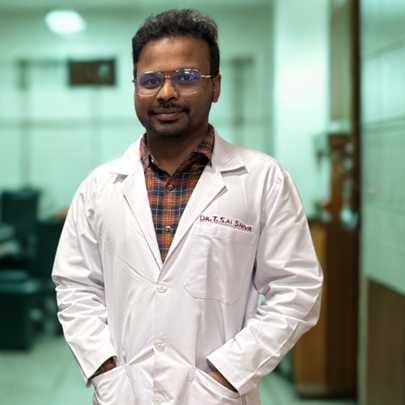
Consultant Skull Base, Cerebrovascular and
Spine Surgeon | Neurosurgeon in Hyderabad
Member, Panel of Medical Experts – Kamineni Hospitals
7 years of experience
Finding out you or someone you love has a brain tumour is overwhelming. The fear, the questions, and the uncertainty can feel like too much to handle at once.
That is exactly why having the right surgeon matters.
Dr. Sai Shiva Tadakamalla is a consultant neurosurgeon in LB Nagar, Hyderabad, specialising in brain tumour surgery at Gleneagles Aware Hospital, LB Nagar. With over 7 years of experience and advanced fellowship training in skull base and cerebrovascular surgery from PGIMER Chandigarh, he has managed a wide range of brain tumours, from the most common to the most complex.
His approach is straightforward. He evaluates each case carefully, explains the diagnosis in simple terms, and recommends surgery only when it is truly needed. When surgery is the right option, he uses modern microsurgical techniques and advanced imaging to remove as much of the tumour as safely possible, while protecting the parts of the brain responsible for movement, speech, and memory.
Not every brain tumour requires the same treatment. Some need immediate surgery. Others are better managed with close monitoring or a combination of surgery and further treatment. Dr. Sai Shiva takes the time to understand each patient’s condition individually before recommending a path forward.
If you have been diagnosed with a brain tumour or have been advised to see a neurosurgeon, the first step is a proper consultation.
Consultant Skull Base, Cerebrovascular and
Spine Surgeon | Neurosurgeon in Hyderabad
What Is Brain Tumour Surgery?
Brain tumour surgery involves the surgical removal or treatment of a tumour located within or around the brain. The goal of surgery depends on the type, size, location, and behaviour of the tumour. In some cases, complete removal may be possible, while in others, partial removal or biopsy is performed to reduce symptoms and guide further treatment such as radiation or chemotherapy.
The procedure is carefully planned using advanced imaging techniques to minimise risk to surrounding brain structures responsible for movement, speech, vision, and other critical functions.
Types Of Brain Tumour Surgery Performed By Dr. Sai Shiva Tadakamalla
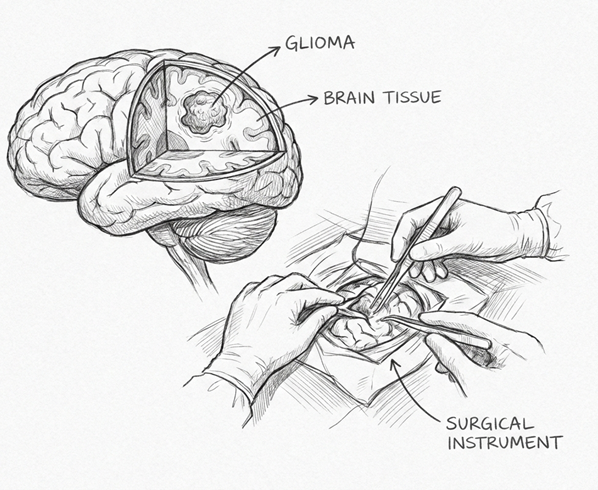
Glioma Surgery
Surgical management of tumours arising from brain tissue, with focus on maximal safe removal.
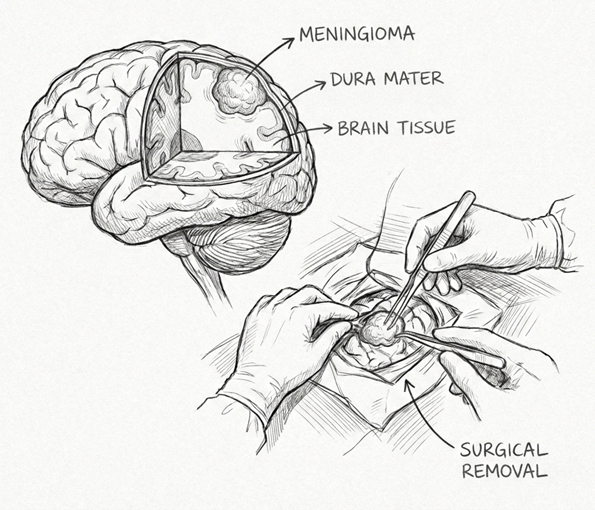
Meningioma Surgery
Removal of tumours developing from the brain coverings, often requiring precise microsurgical techniques.
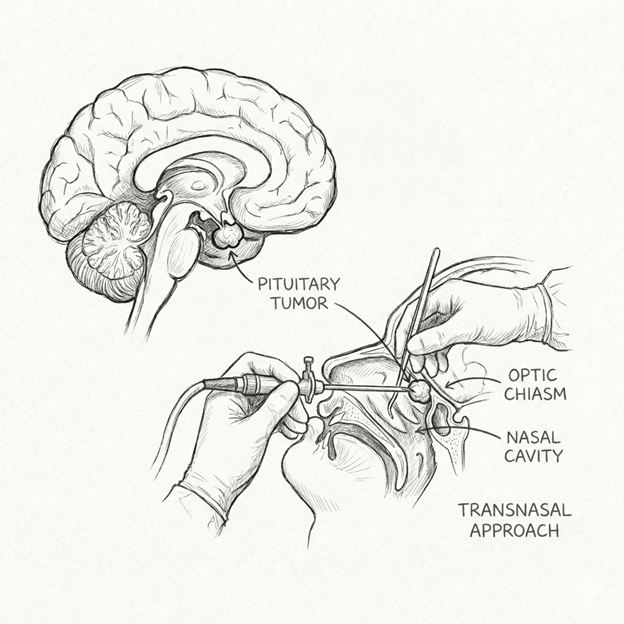
Pituitary Tumour Surgery
Treatment of tumours affecting the pituitary gland, including minimally invasive approaches when appropriate.
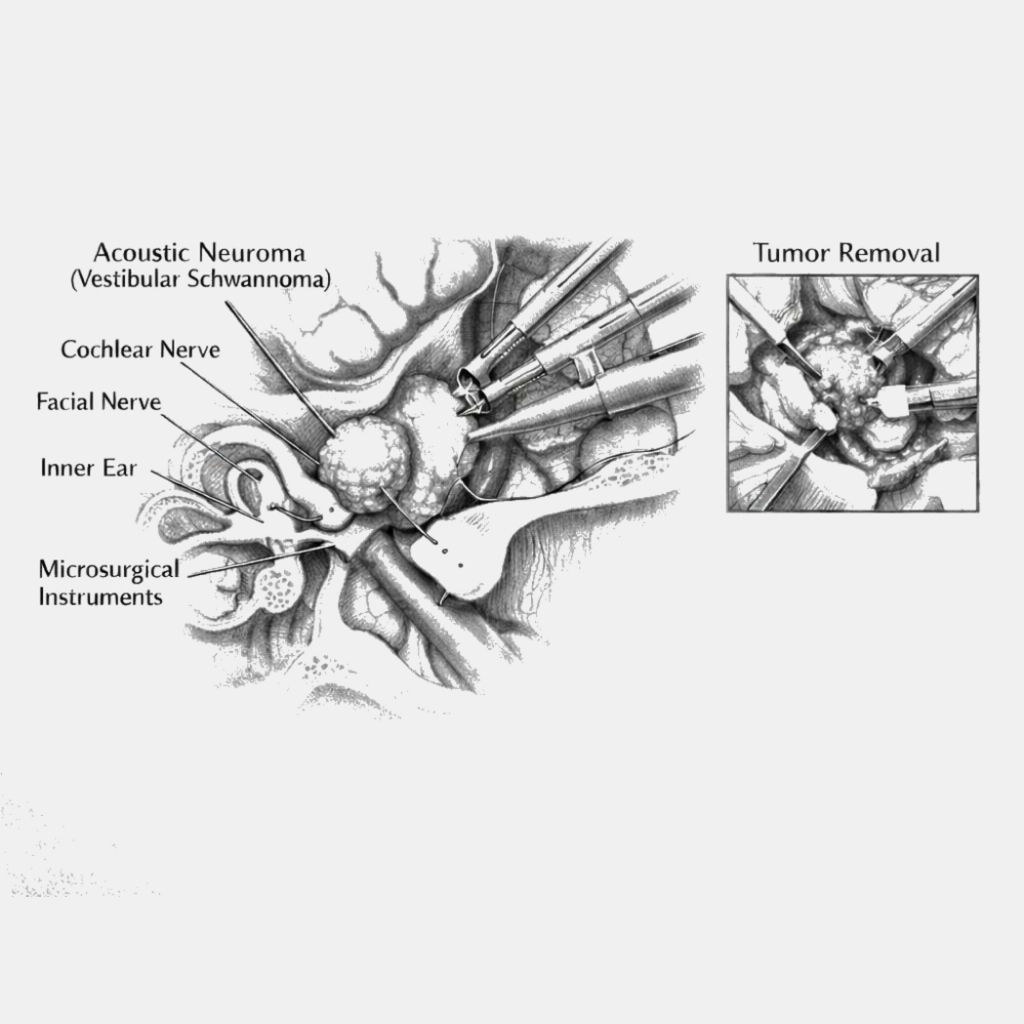
Acoustic Neuroma Surgery
Surgery for tumours affecting balance and hearing nerves, with emphasis on nerve preservation.
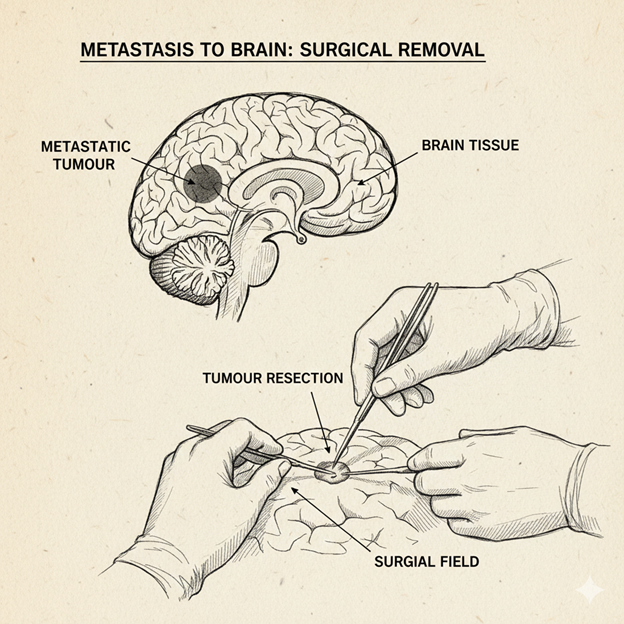
Metastatic Brain Tumour Surgery
Management of tumours that have spread to the brain from other organs.
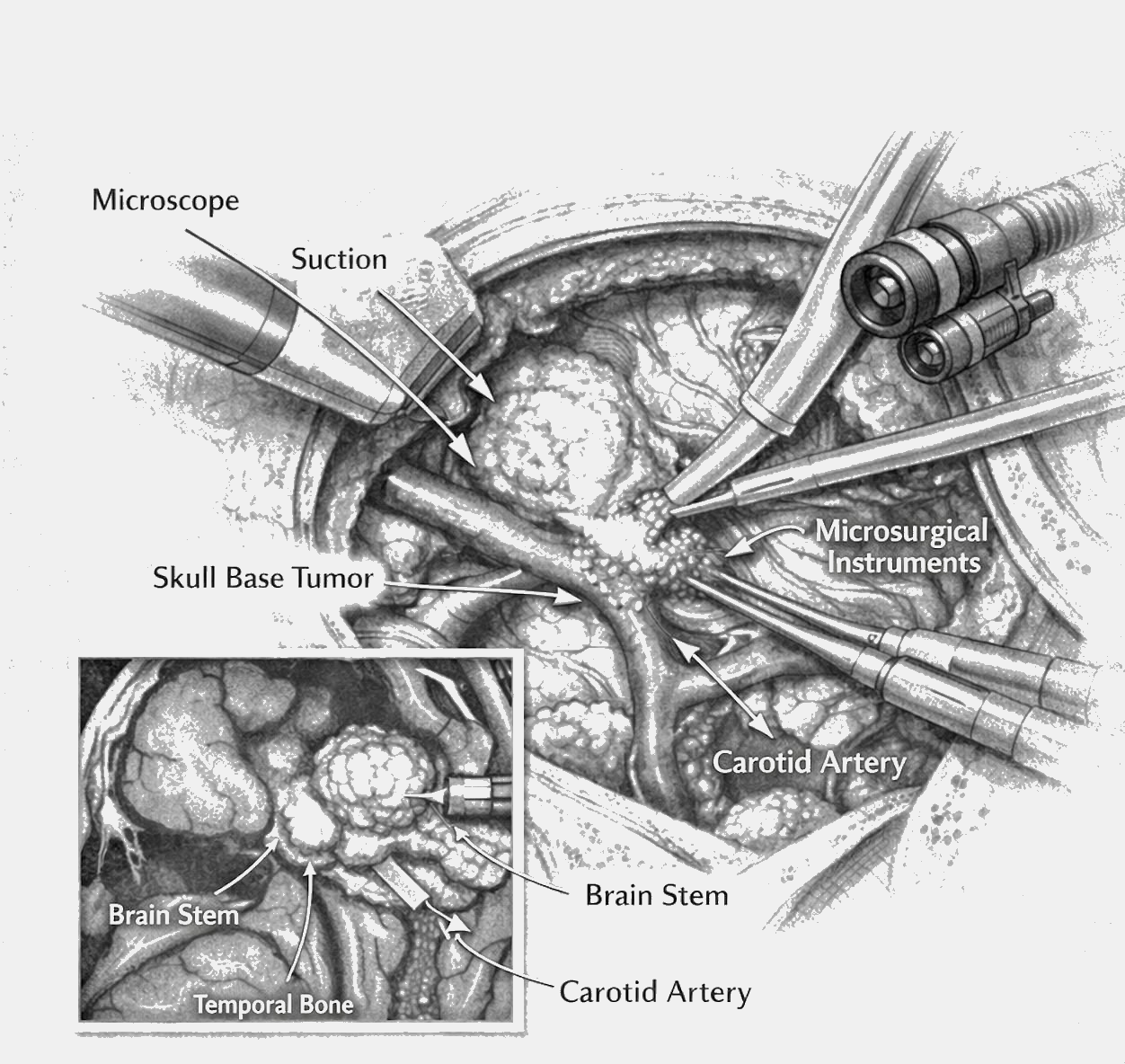
Skull Base Tumour Surgery
Advanced surgical approaches for tumours located at the base of the brain.
Symptoms Of Brain Tumours
Brain tumour symptoms vary depending on tumour size, location, and growth rate. Common symptoms include persistent headaches, seizures, weakness or numbness in limbs, vision or speech difficulties, balance problems, and changes in memory or behaviour. Any new or worsening neurological symptoms should be evaluated promptly.
When Is Brain Tumour Surgery Recommended?
Brain tumour surgery may be recommended when a tumour causes pressure on the brain, leads to neurological symptoms, shows signs of growth, or requires tissue diagnosis. Surgery is also considered when non surgical treatments are insufficient or when tumour removal can improve quality of life and neurological function. The decision is made after careful assessment of risks, benefits, and individual patient factors.
Recovery After Brain Tumour Surgery
Why Choose Dr. Sai Shiva Tadakamalla For Brain Tumour Surgery?
Advanced Neurosurgical Training
Fellowship trained in skull base and cerebrovascular surgery at a premier national institute.
Experience in Complex Brain Tumours
Skilled in managing tumours involving critical and deep seated brain areas.
Precision Focused Surgical Planning
Evidence Based and Ethical Care
“Clear communication and careful planning are essential in brain tumour care. Patients deserve to understand every step of their treatment journey.”
Dr. Sai Shiva Tadakamalla, Brain & Spine Surgeon in Hyderabad.