
Cerebrovascular Surgery in Hyderabad
A blood vessel problem in the brain is not something that waits. Whether it is a brain aneurysm that could rupture at any moment, an AVM silently growing over years, or a blocked artery causing a stroke, the window for safe treatment is often narrow. If you or someone in your family is dealing with a cerebrovascular condition, you need a surgeon who is trained specifically for this.
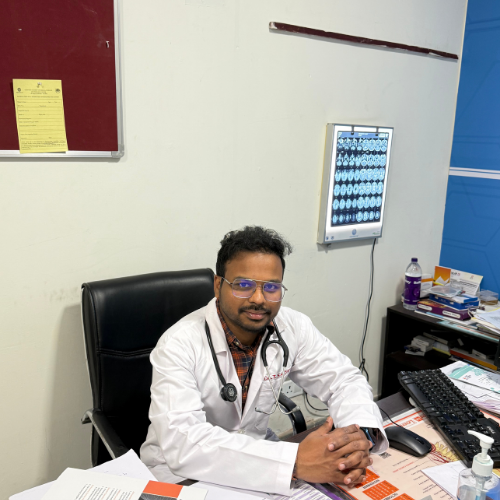
If you are looking for a trusted neurosurgeon in Hyderabad, Dr. Sai Shiva Tadakamalla is a consultant cerebrovascular and skull base neurosurgeon at Gleneagles Aware Hospital, LB Nagar, Hyderabad. He completed his post-doctoral fellowship in skull base and cerebrovascular surgery at PGIMER, Chandigarh, one of India’s top neurosurgery institutes. He specialises in aneurysm clipping, AVM resection, and cerebral bypass procedures using both microsurgical and endoscopic techniques.
“The brain’s blood vessels are unforgiving. A millimetre of precision can be the difference between full recovery and permanent damage. That is why I approach every cerebrovascular case with the most thorough planning possible before stepping into the operating room.” — Dr. Sai Shiva Tadakamalla, Cerebrovascular and Skull Base Neurosurgeon, Gleneagles Aware Hospital, LB Nagar, Hyderabad
What Is Cerebrovascular Surgery?
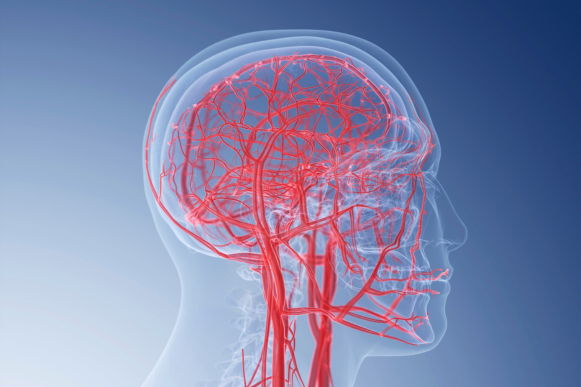
Cerebrovascular surgery focuses on treating conditions that affect the blood vessels supplying the brain. When these vessels rupture, narrow, get blocked, or develop abnormal formations, the results can be life-altering or fatal.
This branch of neurosurgery uses advanced microsurgical techniques and intraoperative tools like neurophysiology monitoring, intraoperative angiography, and high-definition endoscopes. The goal is always to restore or preserve normal blood flow to the brain while removing the source of danger.
Conditions Treated by Dr. Sai Shiva Tadakamalla
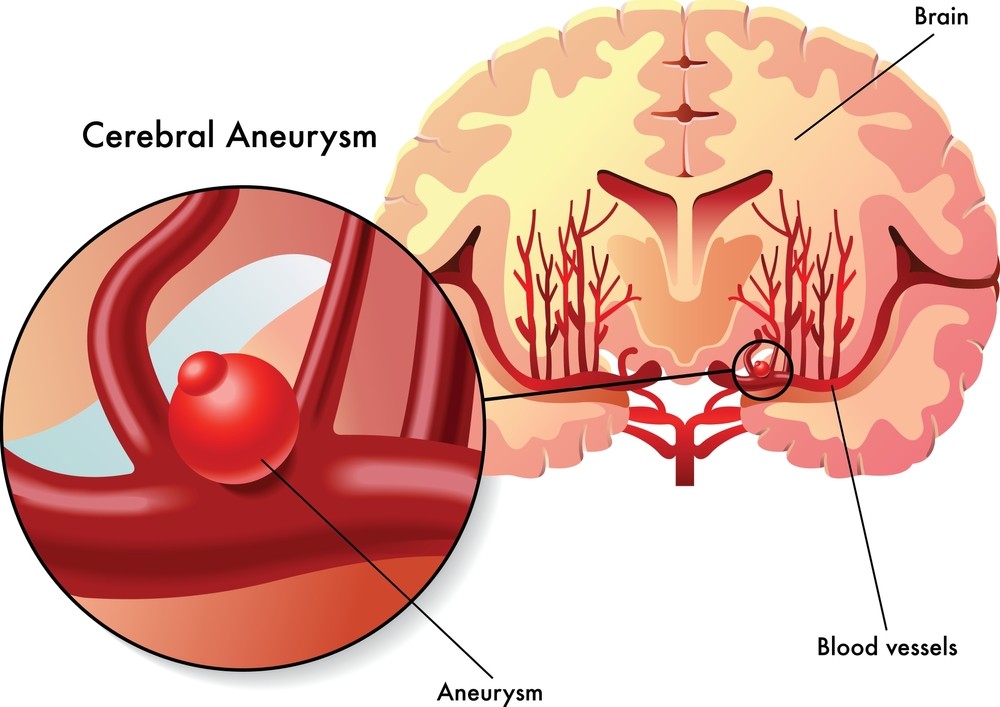
Brain Aneurysm (Cerebral Aneurysm)
A brain aneurysm is a bulge or balloon that forms in a weakened blood vessel wall in or around the brain. Most aneurysms do not cause symptoms until they rupture. A ruptured aneurysm is a medical emergency. It causes a sudden, severe headache, neck stiffness, loss of consciousness, and can be fatal within hours.
Dr. Sai Shiva Tadakamalla performs aneurysm clipping, a microsurgical procedure where a small metal clip is placed at the neck of the aneurysm to cut off blood flow into it. This is one of the most definitive treatments available and is recommended based on the aneurysm’s size, shape, location, and patient health.
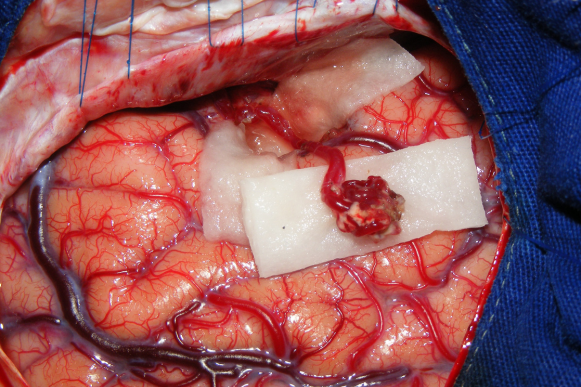
Arteriovenous Malformations (AVMs)
An AVM is an abnormal tangle of blood vessels connecting arteries and veins, bypassing normal brain tissue. They are usually present from birth. Over time, they can cause headaches, seizures, weakness, and the risk of a bleed inside the brain.
Surgical removal of AVMs requires careful preoperative planning with advanced imaging like DSA and MRI. Dr. Sai Shiva Tadakamalla performs AVM resection with neurological monitoring to reduce the risk of deficits during surgery.
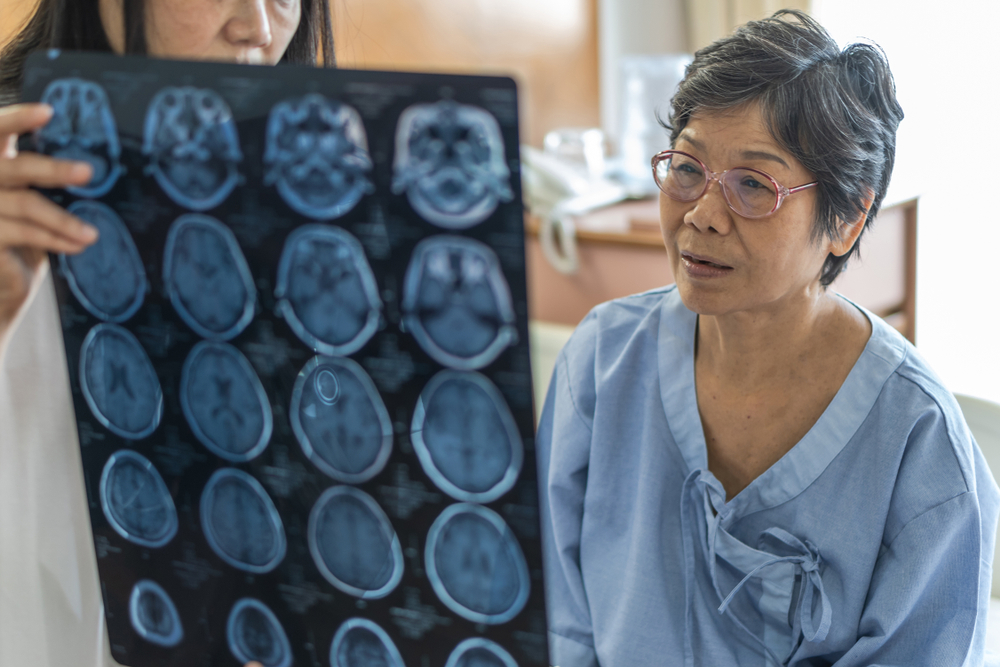
Cerebral Bypass Surgery
Cerebral bypass surgery reroutes blood flow around a blocked or diseased artery. It is performed in select cases of moyamoya disease, complex aneurysms, or when a blood vessel needs to be sacrificed during tumour removal. Dr. Sai Shiva Tadakamalla has been trained in bypass techniques at PGIMER, Chandigarh, where such procedures are performed regularly.
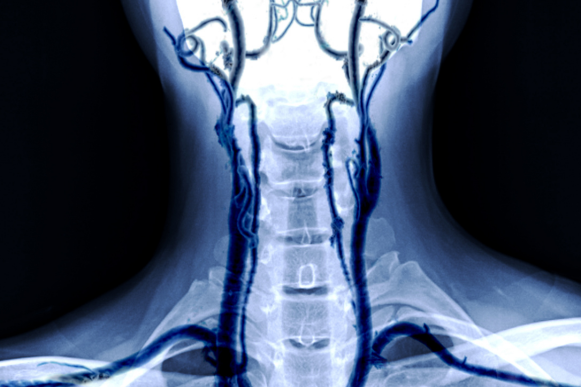
Carotid Artery Disease
Narrowing of the carotid artery in the neck reduces blood flow to the brain and raises the risk of stroke. Surgical management includes carotid endarterectomy, where the plaque is removed to restore normal blood flow. This is particularly relevant for patients with transient ischaemic attacks (TIA) or minor strokes.

Haemorrhagic Stroke (Bleeding in the Brain)
When a blood vessel bursts inside or around the brain, it causes a haemorrhagic stroke. Depending on the location and cause, surgery may be needed to stop the bleeding, relieve pressure on the brain, or clip the source vessel. Emergency evaluation and rapid decision-making are critical in such cases.
Are you or a loved one dealing with a brain aneurysm or vascular condition? Book a consultation with Dr. Sai Shiva Tadakamalla today.
Symptoms That Could Indicate a Cerebrovascular Problem
Many cerebrovascular conditions are silent until a serious event occurs. However, some warning signs should never be ignored:
- Sudden, severe headache described as the “worst headache of your life”
- Weakness or numbness on one side of the body
- Difficulty speaking, reading, or understanding speech
- Vision changes or sudden loss of vision in one eye
- Seizures with no prior history of epilepsy
- Loss of balance or sudden difficulty walking
- Drooping of the face on one side
- Sudden confusion or loss of consciousness
These symptoms can indicate a ruptured aneurysm, AVM bleed, or stroke. They require emergency care immediately.
The decision for surgery is individualised based on careful assessment of tumour characteristics, patient symptoms, hormonal status, and overall health in consultation with endocrinologists and ophthalmologists when needed.
When Is Cerebrovascular Surgery Recommended?
Not every cerebrovascular condition requires immediate surgery. Treatment depends on the specific condition, its size, location, and the patient’s overall health. Here is a simplified overview:
| Condition | When Surgery Is Recommended | Procedure |
|---|---|---|
| Unruptured Aneurysm | Large size (>7mm), irregular shape, or growing on imaging | Aneurysm Clipping |
| Ruptured Aneurysm | Emergency – as soon as possible | Aneurysm Clipping |
| Brain AVM | Symptomatic, accessible location, after a bleed | AVM Resection |
| Carotid Stenosis | Severe narrowing (>70%), history of TIA or minor stroke | Carotid Endarterectomy / Bypass |
| Haemorrhagic Stroke | Large haematoma, worsening symptoms, identifiable source | Surgical Evacuation / Clipping |
| Moyamoya Disease | Progressive symptoms, failed medical management | Cerebral Bypass |
Dr. Sai Shiva Tadakamalla evaluates each case with the latest imaging and neurological testing before recommending any intervention.
Get a second opinion from a trained cerebrovascular neurosurgeon. Speak with Dr. Sai Shiva Tadakamalla at Gleneagles Aware Hospital, LB Nagar.
Cerebrovascular Procedures Performed by Dr. Sai Shiva Tadakamalla
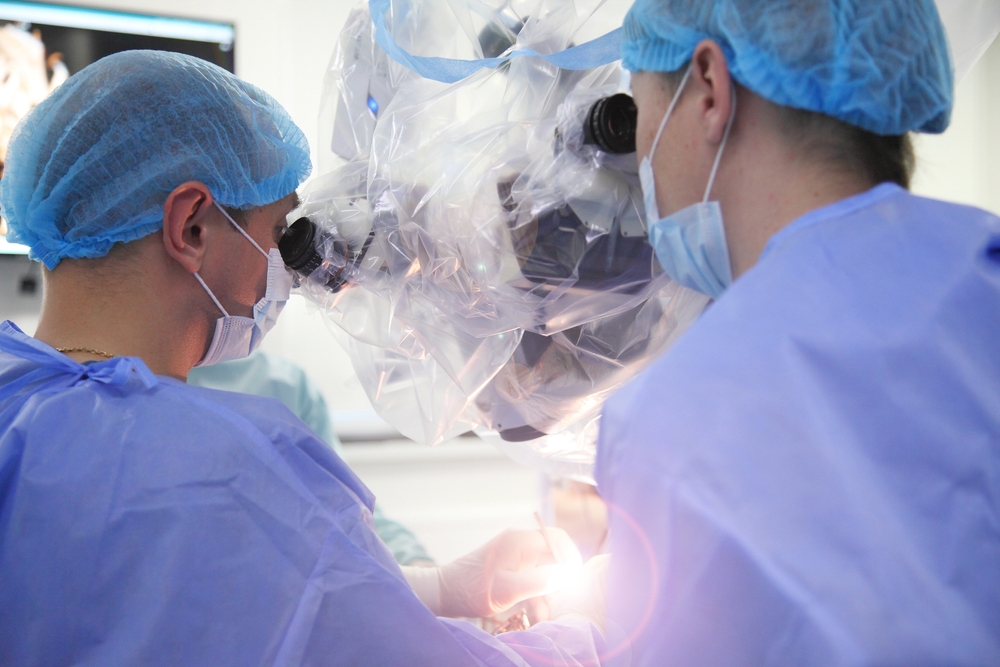
Aneurysm Clipping
A microsurgical procedure where a tiny titanium clip is placed across the neck of the aneurysm to permanently stop blood flow into it. It requires a craniotomy and is performed under high-powered microscopes with continuous neurophysiology monitoring.
AVM Resection
Surgical removal of the abnormal blood vessel tangle from the brain. Preoperative digital subtraction angiography (DSA) and functional MRI mapping are used to plan safe surgery. Intraoperative monitoring protects critical brain functions throughout the procedure.
Cerebral Bypass
A blood vessel graft from the scalp or arm is used to create a new route for blood flow, bypassing a blocked or diseased vessel. This technically demanding procedure is performed in carefully selected patients where the risk of stroke from the underlying disease outweighs the surgical risk.
Carotid Endarterectomy
Plaque buildup inside the carotid artery is surgically removed to restore normal blood flow and reduce the risk of stroke. This is done under regional or general anaesthesia through a small incision in the neck.
“In cerebrovascular surgery, speed matters for emergency cases and precision matters for everything. My training at PGIMER has been the foundation of how I approach each of these operations, from planning to execution.” — Dr. Sai Shiva Tadakamalla, Neurosurgeon, Gleneagles Aware Hospital, LB Nagar, Hyderabad
What to Expect Before, During, and After Surgery
Recovery following pituitary surgery is generally well tolerated with appropriate post operative care:
Before Surgery
- Detailed evaluation including MRI brain, MR angiography or CT angiography, and DSA
- Functional brain mapping in cases near speech or motor areas
- Neurophysiology testing and baseline neurological assessment
- Discussion of surgical risks, benefits, and alternatives
- Anaesthesia consultation and pre-surgical medical clearance
During Surgery
- General anaesthesia is used throughout the procedure
- Neurophysiology monitoring runs continuously to detect any brain function changes
- High-definition microscopes and endoscopes assist in precision work
- Intraoperative angiography confirms successful treatment of the vessel
After Surgery
- ICU monitoring for 24 to 72 hours depending on the procedure
- Neurological checks every few hours after surgery
- Hospital stay of 5 to 10 days for most procedures
- Follow-up MRI or angiography at 3 to 6 months
- Gradual return to daily activities over 4 to 8 weeks
Why Choose Dr. Sai Shiva Tadakamalla for Cerebrovascular Surgery in Hyderabad?

Fellowship-Trained Expertise
Dr. Sai Shiva Tadakamalla completed his post-doctoral fellowship in skull base and cerebrovascular surgery at PGIMER, Chandigarh. His training covered aneurysm clipping, AVM resection, and bypass procedures under expert supervision at a leading national institute.

Specialised Training in Complex Vascular Procedures
Cerebrovascular surgery is a sub-speciality within neurosurgery. Not every neurosurgeon performs aneurysm clipping or AVM resection. Dr. Sai Shiva’s focused training and hands-on experience in this area make a meaningful difference in complex cases.

Personalised and Transparent Communication
Every patient is different. Before recommending any intervention, Dr. Sai Shiva reviews all imaging, explains the findings in plain language, and discusses realistic outcomes. Patients and their families are included in decision-making throughout the process.

Advanced Infrastructure at Gleneagles Aware Hospital, LB Nagar
Surgeries are performed at Gleneagles Aware Hospital, LB Nagar, Hyderabad, which offers a dedicated Neuro-ICU, advanced neuroimaging, intraoperative monitoring, and round-the-clock critical care support.
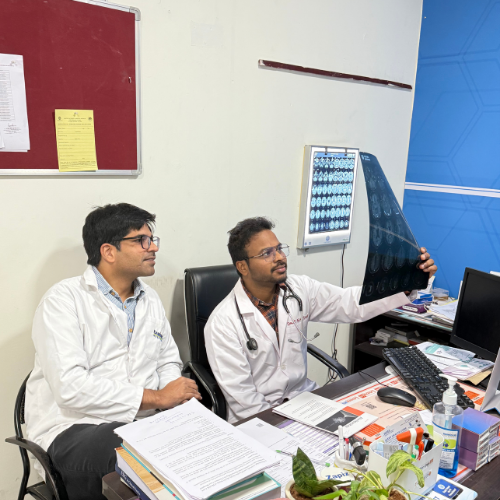
Dr. Sai Shiva Tadakamalla, Brain & Spine Surgeon in Hyderabad
“I want my patients to walk into that consultation room and leave with clarity, not fear. When you understand what is happening in your brain and what we can do about it, the decision-making becomes much easier.” — Dr. Sai Shiva Tadakamalla, Cerebrovascular Neurosurgeon, Gleneagles Aware Hospital, Hyderabad
Ready to get your condition evaluated? Book an appointment with Dr. Sai Shiva Tadakamalla at Gleneagles Aware Hospital, LB Nagar, Hyderabad.
Frequently Asked Questions
What is the difference between aneurysm clipping and coiling?
Aneurysm clipping is an open surgical procedure where a metal clip is placed at the base of the aneurysm to stop blood from entering it. Coiling is a less invasive procedure done through blood vessels using a catheter. The choice depends on aneurysm size, shape, location, and patient health. Dr. Sai Shiva Tadakamalla will discuss which option is better suited for your specific case after reviewing your imaging.
Is an unruptured brain aneurysm dangerous?
Not all unruptured aneurysms need immediate surgery. Smaller aneurysms that are not growing may be safely monitored with periodic imaging. However, larger aneurysms, those with irregular shapes, or those that are growing carry a higher risk of rupture and usually need treatment. A consultation with a trained neurosurgeon is essential to make this decision.
How long does recovery take after aneurysm surgery?
Most patients stay in the hospital for 7 to 10 days after aneurysm clipping. Light activities can usually resume within 4 to 6 weeks. Full recovery, including return to work, typically takes 2 to 3 months, depending on the patient’s overall health and neurological status before surgery.
Is cerebrovascular surgery available in Hyderabad?
Yes. Dr. Sai Shiva Tadakamalla performs cerebrovascular surgery including aneurysm clipping, AVM resection, and bypass procedures at Gleneagles Aware Hospital, LB Nagar, Hyderabad. He is one of the few fellowship-trained cerebrovascular surgeons practising in the city.
Can an AVM be treated without surgery?
Yes, in some cases. Treatment options for AVMs include surgical resection, stereotactic radiosurgery, endovascular embolisation, or a combination of these. The best approach depends on the size, location, and symptoms of the AVM. Dr. Sai Shiva Tadakamalla evaluates each case individually and recommends the safest and most effective treatment plan.
