
Spine Surgery in Hyderabad
Back pain, leg weakness, numbness, or a tingling that runs down your arm or leg. You may have already tried physiotherapy, pain medications, and injections. But when these stop working and your quality of life keeps getting worse, surgery may be the next step.
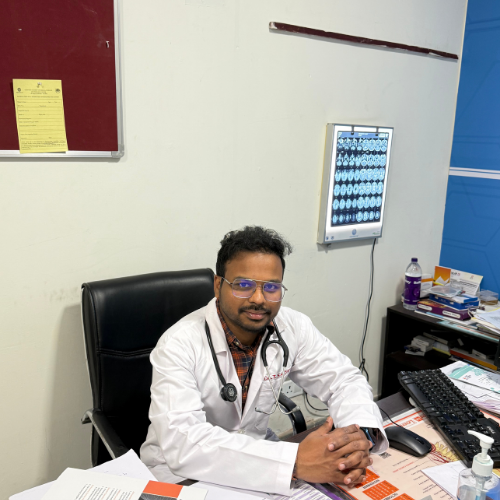
If you are looking for a trusted neurosurgeon in Hyderabad, Dr. Sai Shiva Tadakamalla is a consultant neurosurgeon at Gleneagles Aware Hospital, LB Nagar, Hyderabad, with specialised training in minimally invasive spine surgery and endoscopic spine procedures. He trained at PGIMER, Chandigarh, where he managed a wide range of spinal conditions, from simple disc herniations to complex spinal tumours and traumatic spinal injuries.
If you are looking for a spine surgeon in Hyderabad who takes a careful, evidence-based approach and genuinely listens to your concerns, Dr. Sai Shiva Tadakamalla offers exactly that.
“Spine surgery is often the last resort. I always start by asking whether we have truly exhausted all non-surgical options. But when surgery is needed, the goal is to relieve your pain, restore your function, and get you back to living your life.” — Dr. Sai Shiva Tadakamalla, Neurosurgeon, Gleneagles Aware Hospital, LB Nagar, Hyderabad
What Is Spine Surgery?
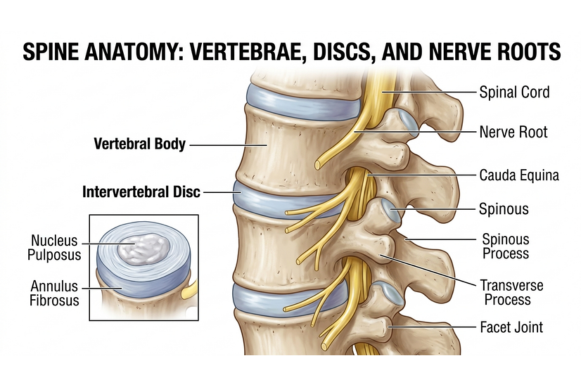
The spine is a column of 33 vertebrae that protects the spinal cord and allows movement. Between each vertebra are discs that act as cushions. Nerves branch out from the spinal cord at every level and travel to the arms, legs, and organs.
Spine surgery addresses structural problems in the vertebrae, discs, or spinal canal that cause nerve compression, spinal instability, or limited movement. It can be performed using traditional open techniques or newer minimally invasive and endoscopic methods, which offer smaller incisions, less muscle damage, and faster recovery.
Conditions Treated with Spine Surgery by Dr. Sai Shiva Tadakamalla
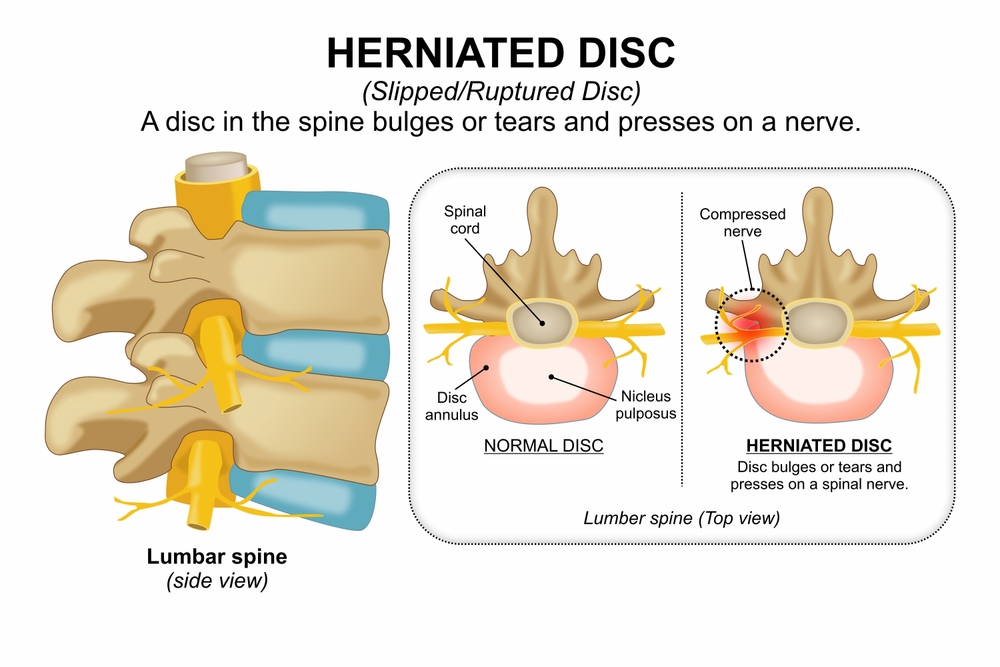
Disc Herniation (Slipped Disc)
A slipped or herniated disc occurs when the inner gel of an intervertebral disc pushes through its outer ring and presses on a nearby nerve. This causes radiating pain, numbness, or weakness in the arm (cervical disc) or leg (lumbar disc). Surgery is considered when physiotherapy and medications fail, or when neurological weakness is progressing.
Dr. Sai Shiva Tadakamalla performs microdiscectomy and endoscopic discectomy, removing only the part of the disc pressing on the nerve while preserving the rest of the disc.
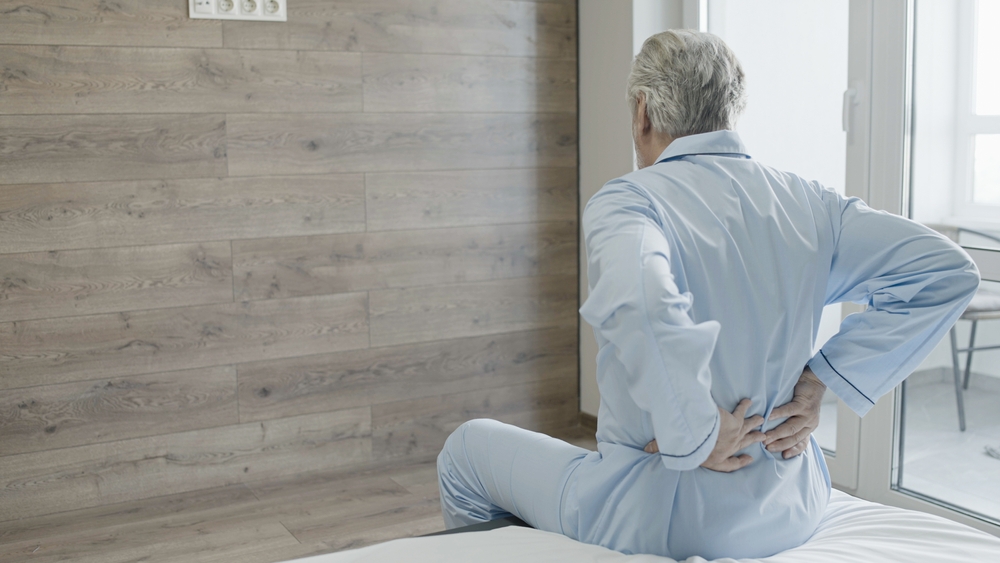
Spinal Stenosis
Spinal stenosis is a narrowing of the spinal canal due to bone overgrowth, ligament thickening, or disc bulging. It is more common in people over 50 and causes leg pain while walking (neurogenic claudication), back stiffness, and in severe cases, loss of bladder or bowel control.
Surgical treatment involves laminectomy or laminoplasty, where the bone or tissue compressing the canal is removed. Minimally invasive approaches are used wherever possible to reduce recovery time.
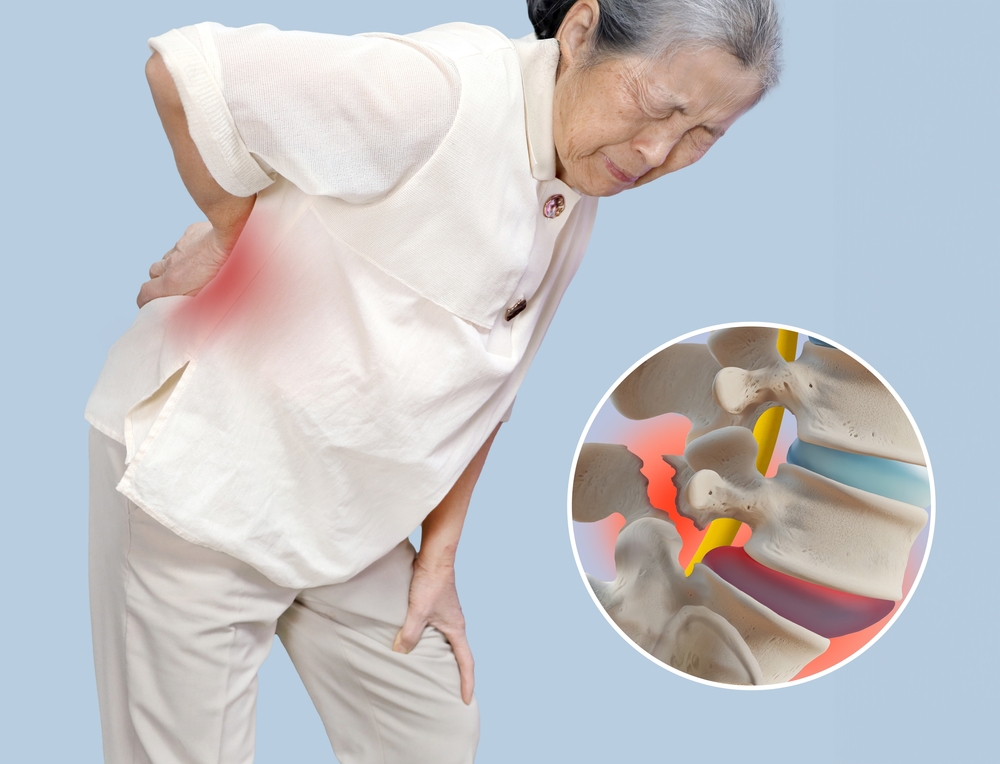
Spinal Instability and Spondylolisthesis
When one vertebra slips forward over another, it causes spinal instability. This can pinch nerves and lead to significant back and leg pain.Spinal fusion surgery stabilises the slipped vertebra using bone grafts and metal implants, restoring alignment and relieving nerve compression.
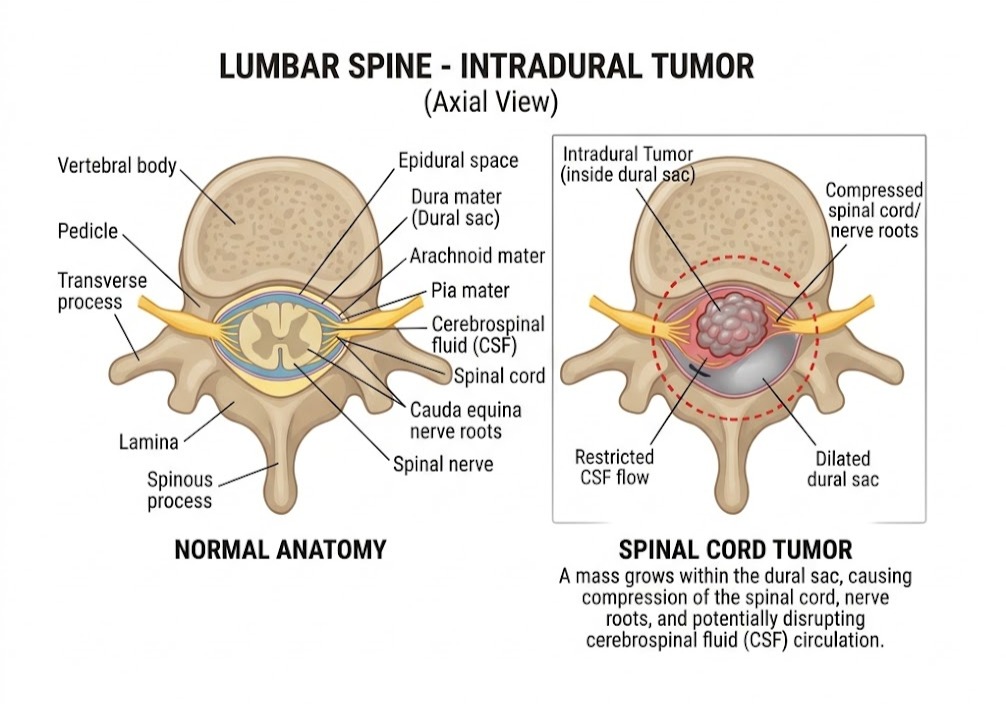
Spinal Tumours
Spinal tumours can grow inside the spinal cord (intramedullary), on its covering (intradural extramedullary), or on the surrounding bone (extradural). They may cause progressive weakness, numbness, or bowel and bladder dysfunction.
Dr. Sai Shiva Tadakamalla performs spinal tumour resection, including complex intradural tumours, using neurophysiology monitoring to protect spinal cord function during surgery. He has published research on spinal tumours and has managed challenging cases during his training at PGIMER, Chandigarh.
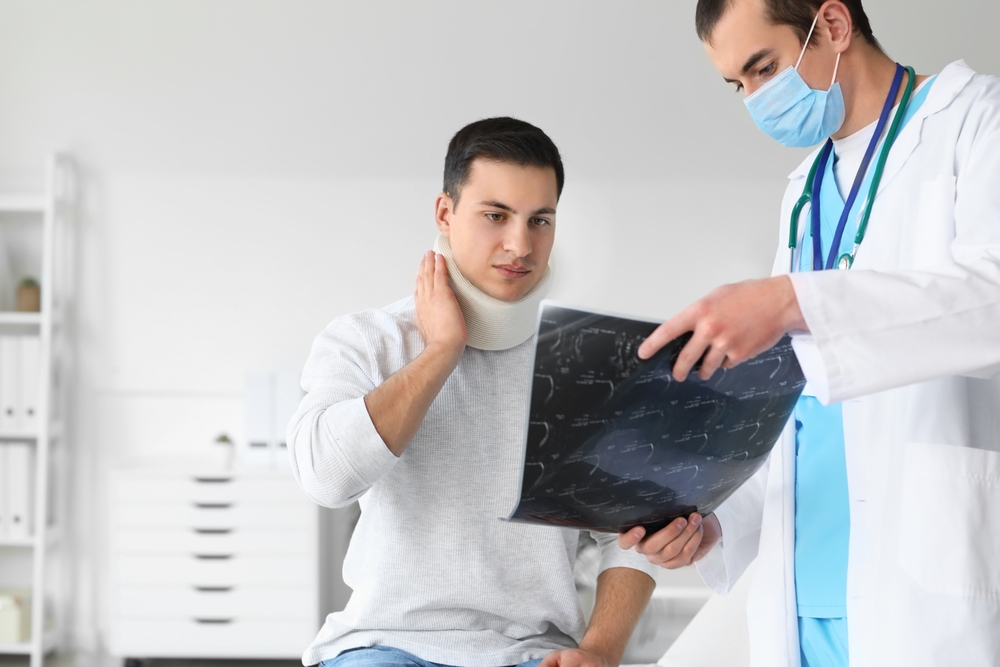
Haemorrhagic Spinal Trauma and Fractures(Bleeding in the Brain)
Road accidents, falls, and sports injuries can fracture or dislocate the spine. When the injury compresses the spinal cord or causes instability, spine trauma surgery is needed to decompress the nerves and stabilise the spine with metal screws and rods.
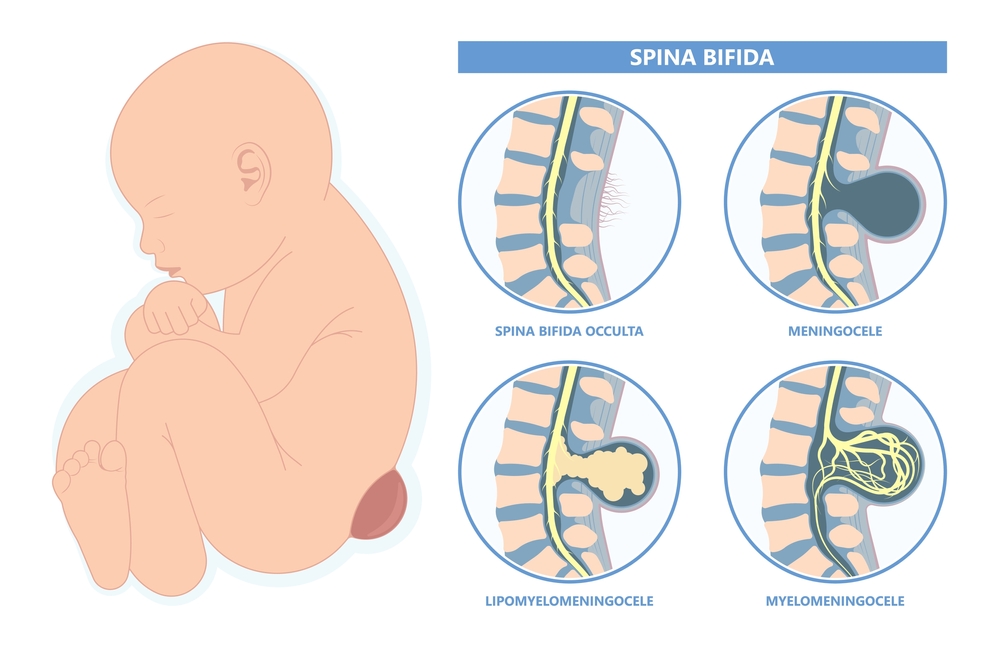
Paediatric Spine Conditions
Dr. Sai Shiva Tadakamalla also treats paediatric spinal conditions including spinal dysraphism (neural tube defects like spina bifida and tethered cord syndrome), spinal cord tumours in children, and congenital spinal deformities. He has presented research on quality of life in paediatric spinal dysraphism at national neurosurgery conferences.
Is your back pain not responding to treatment? Consult Dr. Sai Shiva Tadakamalla at Gleneagles Aware Hospital, LB Nagar, Hyderabad.
Symptoms That May Need a Spine Surgery Consultation
Not all back or neck pain needs surgery. But the following symptoms should prompt an early consultation with a spine specialist:
- Persistent back or neck pain lasting more than 6 weeks despite treatment
- Radiating pain, numbness, or tingling down the arm or leg (sciatica)
- Progressive weakness in the legs or arms
- Difficulty walking or maintaining balance
- Loss of bladder or bowel control (this is a surgical emergency)
- Pain that worsens at night or at rest
- Muscle wasting in the arms or legs
- A spinal deformity that is getting worse over time
Loss of bladder or bowel control due to a spine problem is called cauda equina syndrome. It requires emergency surgery within hours. Do not delay seeking care.
When Is Spine Surgery Recommended?
Dr. Sai Shiva Tadakamalla recommends spine surgery only when non-surgical treatment has not worked or when the neurological risk of waiting outweighs the risk of surgery. Here is a general guide:
| Condition | Non-Surgical Management | When Surgery Is Considered |
|---|---|---|
| Disc Herniation | Physiotherapy, anti-inflammatory drugs, nerve blocks | Weakness, failed 6 weeks of treatment, worsening pain |
| Spinal Stenosis | Physiotherapy, pain management | Progressive weakness, neurogenic claudication, bladder symptoms |
| Spondylolisthesis | Physiotherapy, bracing, pain management | Instability, neurological symptoms, severe pain |
| Spinal Tumour | Observation (in very slow-growing cases only) | Weakness, compressive symptoms, or aggressive pathology |
| Spinal Fracture | Bracing (in stable fractures only) | Neurological deficit, instability, progressive compression |
| Cauda Equina Syndrome | Not applicable – emergency | Immediate surgery required |
This is a general guide only. Every patient needs an individualised assessment before any decision is made.
Get your spine condition evaluated by a trained neurosurgeon. Speak with Dr. Sai Shiva Tadakamalla at Gleneagles Aware Hospital, LB Nagar, Hyderabad.
Types of Spine Surgery Performed by Dr. Sai Shiva Tadakamalla
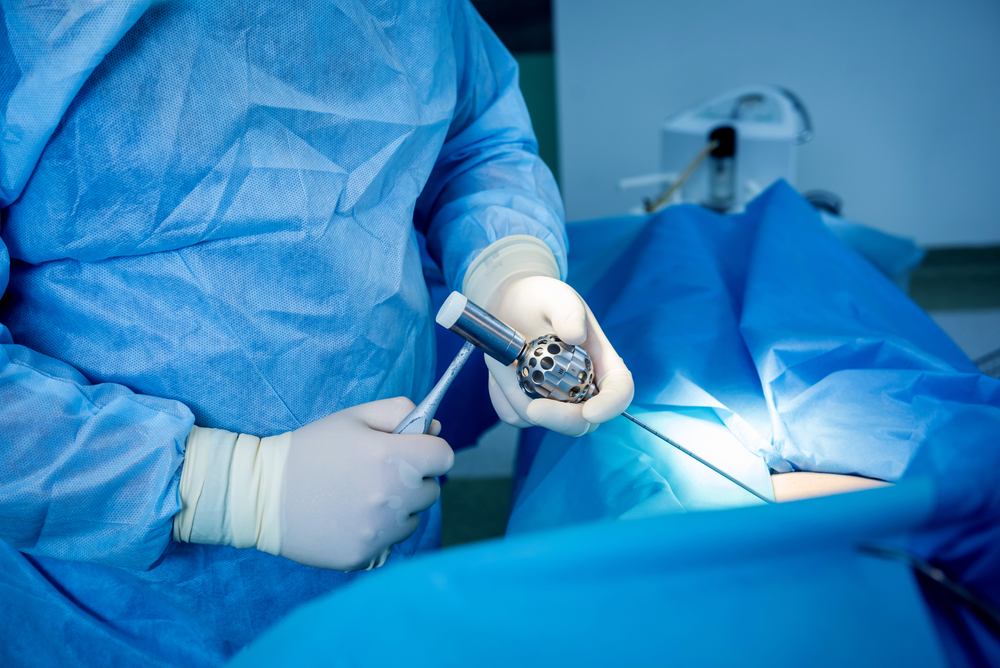
Microdiscectomy
A minimally invasive procedure for disc herniation where a small portion of the herniated disc pressing on the nerve is removed. The approach preserves most of the disc and surrounding muscle, allowing for a faster recovery compared to open surgery.
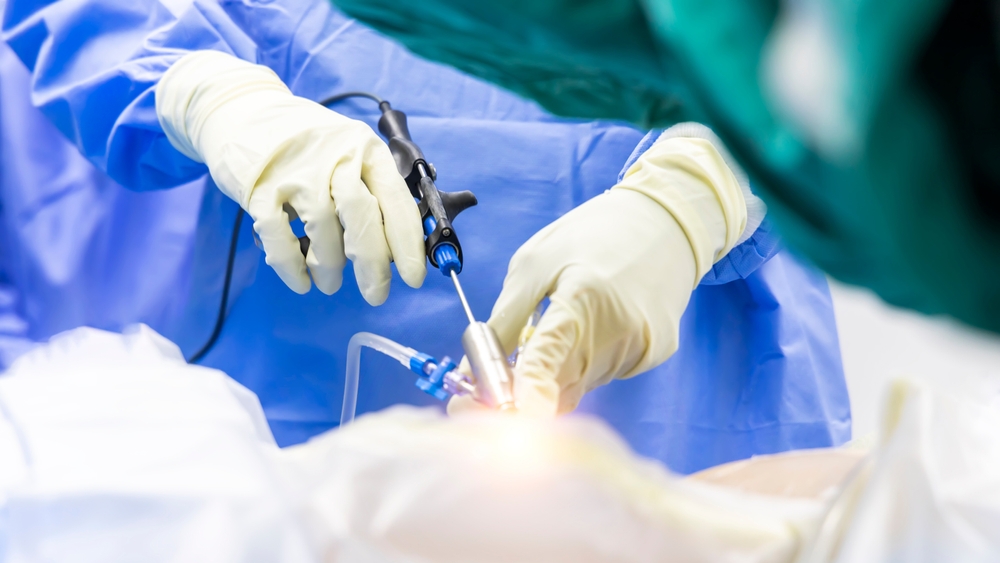
Endoscopic Spine Surgery
Endoscopic spine surgery uses a thin tube with a camera to see and treat the spine through a very small incision, often less than 1 cm. This technique is ideal for disc herniations, foraminal stenosis, and certain spinal tumours. It significantly reduces muscle trauma, blood loss, and recovery time compared to open procedures.
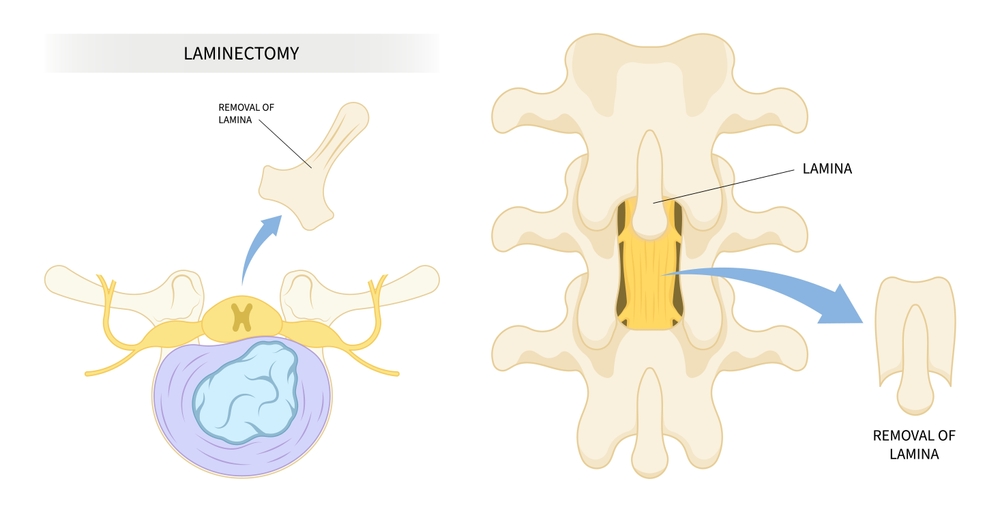
Laminectomy / Laminoplasty
The removal or repositioning of bone at the back of the vertebra to decompress the spinal canal. It is used in spinal stenosis, spinal tumours, and traumatic cord compression. Laminoplasty is preferred in the cervical spine as it keeps the bone in place while still creating more space for the spinal cord.
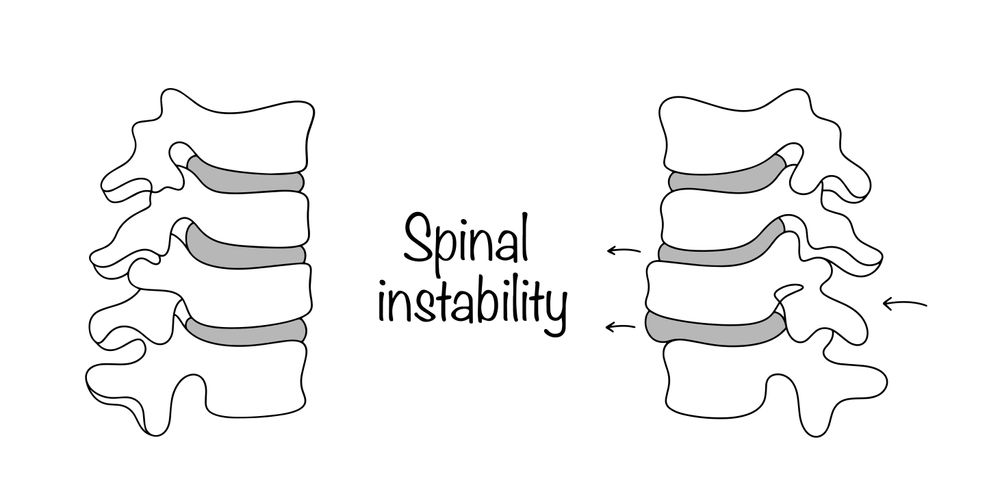
Spinal Fusion with Instrumentation
When spinal instability is the problem, fusion surgery joins two or more vertebrae using bone grafts and titanium screws and rods. This eliminates abnormal movement between unstable segments and relieves nerve compression. Minimally invasive fusion techniques reduce muscle damage compared to traditional open approaches.
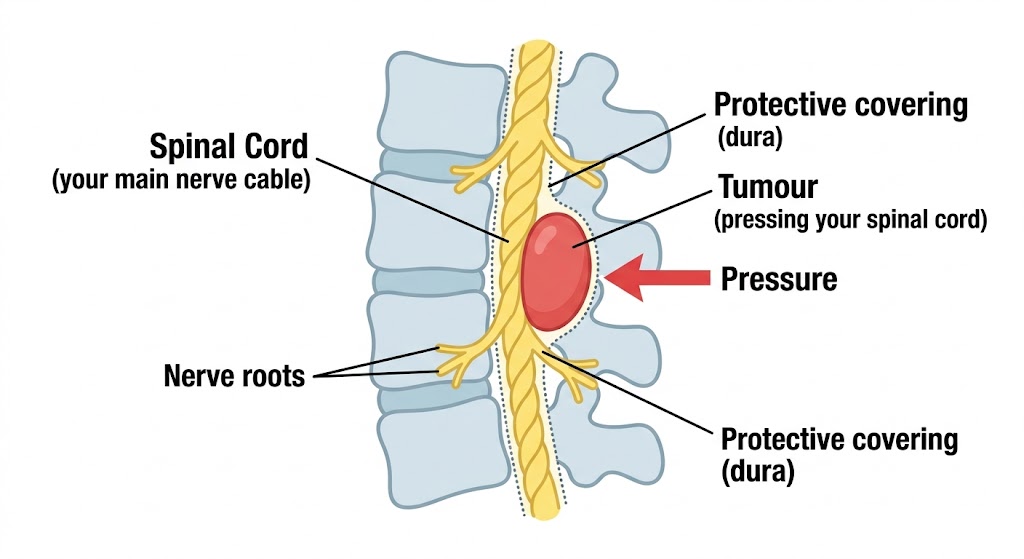
Spinal Tumour Resection
Removal of tumours inside or around the spinal cord using microsurgical techniques and intraoperative neurophysiology monitoring. The extent of removal depends on tumour type, location, and proximity to functional spinal cord tissue. Dr. Sai Shiva Tadakamalla’s experience includes complex intradural extramedullary lesions and paediatric spinal tumour cases.
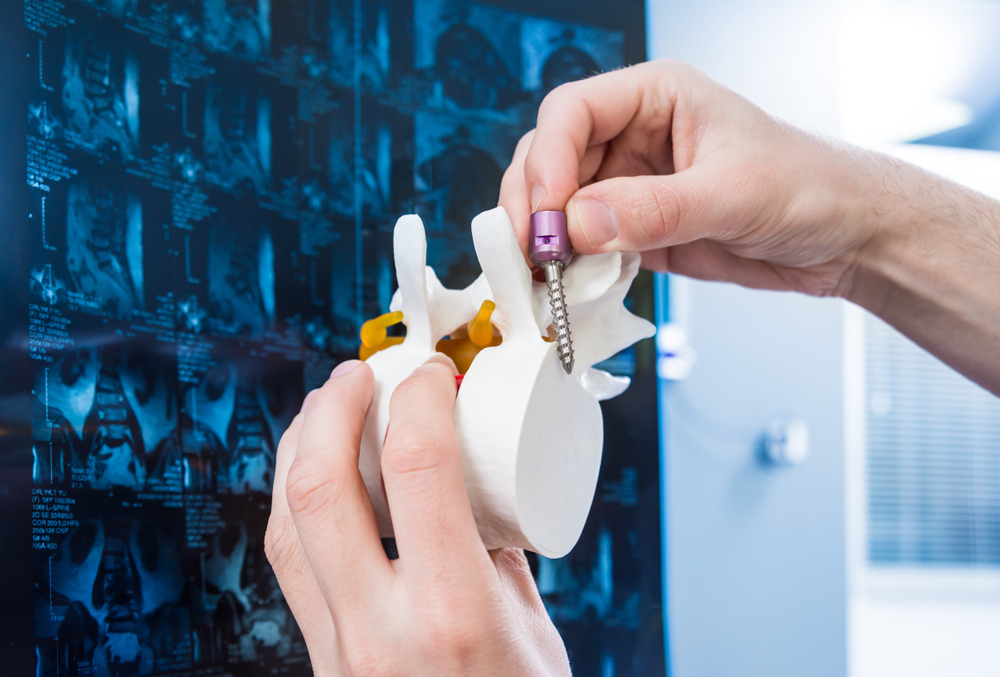
Spinal Stabilisation After Trauma
The removal or repositioning of bone at the back of the vertebra to decompress the spinal canal. It is used in spinal stenosis, spinal tumours, and traumatic cord compression. Laminoplasty is preferred in the cervical spine as it keeps the bone in place while still creating more space for the spinal cord.
“Modern spine surgery has come a long way. Today, we can treat a herniated disc through a cut smaller than your fingernail. The patient wakes up, has less pain, and walks the next day. That is the kind of outcome I aim for.” — Dr. Sai Shiva Tadakamalla, Spine Neurosurgeon, Gleneagles Aware Hospital, LB Nagar, Hyderabad
Recovery After Spine Surgery
Recovery depends on the type of surgery performed and the patient’s condition before surgery. Here is what most patients can expect:
| Procedure | Hospital Stay | Return to Light Activity | Full Recovery |
|---|---|---|---|
| Microdiscectomy | 1 to 2 days | 1 to 2 weeks | 4 to 6 weeks |
| Endoscopic Disc Surgery | 1 day (day care possible) | Within 1 week | 3 to 4 weeks |
| Laminectomy | 2 to 4 days | 2 to 3 weeks | 6 to 8 weeks |
| Spinal Fusion | 4 to 6 days | 4 to 6 weeks | 3 to 6 months |
| Spinal Tumour Resection | 5 to 10 days | 4 to 8 weeks | Varies by case |
| Trauma Stabilisation | 5 to 14 days | With physiotherapy guidance | 3 to 12 months |
Post-operative physiotherapy plays a major role in recovery. Dr. Sai Shiva Tadakamalla provides discharge instructions and a follow-up plan tailored to each patient’s condition and needs.
Why Choose Dr. Sai Shiva Tadakamalla for Spine Surgery in Hyderabad?

Trained at India's Premier Neurosurgery Institute
Dr. Sai Shiva Tadakamalla completed his MCh in Neurosurgery and post-doctoral fellowship at PGIMER, Chandigarh, where complex spinal cases are managed daily. His training included spinal tumour resection, spinal instrumentation, and trauma stabilisation under expert faculty.

Expertise in Minimally Invasive and Endoscopic Techniques
Where open surgery is not necessary, Dr. Sai Shiva uses minimally invasive approaches. Smaller incisions mean less pain, less blood loss, and a faster return to daily life. Endoscopic spine surgery is offered as an option for suitable patients.
Treats Both Adult and Paediatric Spine Conditions
From elderly patients with degenerative spine disease to children with spinal cord tethering or tumours, Dr. Sai Shiva Tadakamalla has experience across age groups. He has presented research on paediatric spinal outcomes at national neurosurgery conferences.

Transparent and Patient-Centred Communication
Every patient receives a clear explanation of their diagnosis, the surgical plan, realistic expectations, and potential risks. Dr. Sai Shiva Tadakamalla believes that informed patients make better decisions and tend to have better recoveries.
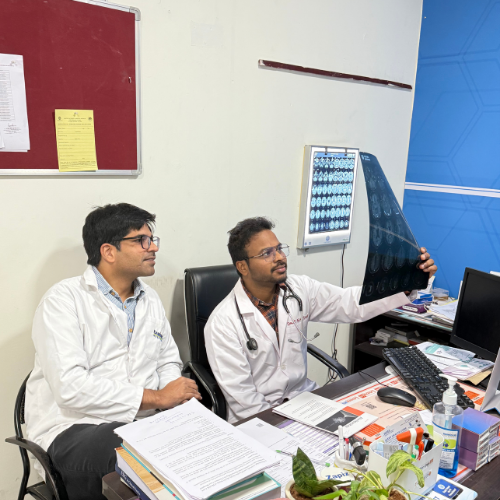
Dr. Sai Shiva Tadakamalla, Brain & Spine Surgeon in Hyderabad
“I see patients who have been living with back pain for years, afraid of surgery. Most of them did not need to suffer that long. Early consultation with the right specialist can make a real difference to your quality of life.” — Dr. Sai Shiva Tadakamalla, Spine Neurosurgeon, Gleneagles Aware Hospital, Hyderabad
Stop living with back pain or spine problems. Speak with Dr. Sai Shiva Tadakamalla at Gleneagles Aware Hospital, LB Nagar, Hyderabad.
Button: Book an Appointment
Frequently Asked Questions
Is spine surgery always the only option for a slipped disc
No. Most disc herniations respond well to non-surgical treatment including physiotherapy, anti-inflammatory medications, and nerve root injections. Surgery is only recommended when these fail, when there is progressive neurological weakness, or when the pain significantly impacts daily life after 6 weeks of proper conservative management.
What is the difference between minimally invasive spine surgery and traditional open surgery?
Traditional open surgery involves a larger incision and more muscle retraction to reach the spine. Minimally invasive spine surgery uses smaller incisions and specialised tools, including an endoscope or microscope. This results in less blood loss, less post-operative pain, a shorter hospital stay, and a faster return to normal activities.
How do I know if I need a spinal fusion
Spinal fusion is recommended when there is spinal instability, when a vertebra has slipped out of alignment, or when multiple levels need decompression and support. It is not required for every spine surgery. Dr. Sai Shiva Tadakamalla evaluates each patient carefully and discusses the expected benefits and risks before recommending fusion.
Is spine surgery safe for elderly patients
Yes. Age alone is not a reason to avoid spine surgery. Older patients with progressive weakness, spinal stenosis, or compression fractures can benefit significantly from surgery. The surgical approach is adapted based on bone quality, overall health, and the specific condition being treated. Pre-surgical optimisation is done in coordination with relevant medical specialists.
Where can I consult Dr. Sai Shiva Tadakamalla for spine surgery in Hyderabad?
Dr. Sai Shiva Tadakamalla practices at Gleneagles Aware Hospital, LB Nagar, Hyderabad. Consultation timings are Monday to Saturday, 9:00 AM to 5:00 PM. You can call +91 9490033093 or use the contact form on this website to book an appointment.
