
What is Sciatica?
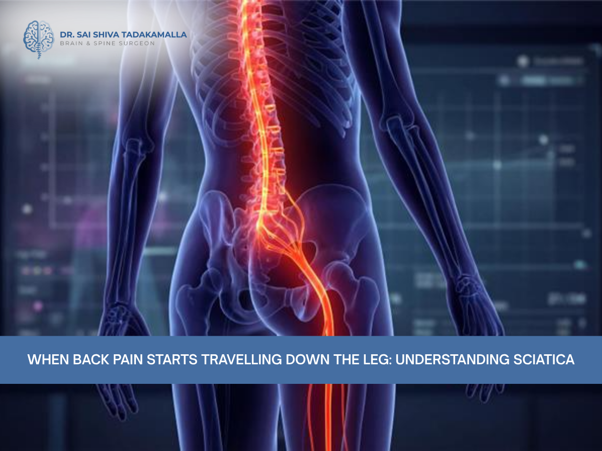
Sciatica is a type of nerve pain. It happens when the sciatic nerve gets irritated or pressed. This nerve runs from your lower back, through your hips, and down each leg. Often, people feel back pain that travels down the leg. This is a key sign of sciatica. Sometimes, the pain can be mild. Other times, it can be sharp or burning. Sciatica is not a disease, but a symptom of another problem. For example, a slipped disc or spinal narrowing can cause it. According to the CDC, sciatica is a common reason for leg and back pain.
Common Symptoms of Sciatica
Many people with sciatica notice pain that starts in the lower back. Then, it moves down the buttock and leg. However, symptoms can vary. For example, some people feel tingling or numbness. Others may have muscle weakness. Below are common signs:
Pain in the lower back, buttock, or leg
Pain that gets worse when sitting or standing
Tingling or a pins-and-needles feeling in the leg or foot
Numbness in the leg or foot
Muscle weakness in the leg
Pain that worsens with movement, coughing, or sneezing
Sometimes, the pain is mild. But in other cases, it can be severe and limit daily activities.
Causes and Risk Factors
There are several reasons why sciatica can develop. Most often, it is caused by a slipped or herniated disc. This means a cushion between the bones in your spine moves out of place. As a result, it presses on the sciatic nerve. Other causes include:
Spinal stenosis (narrowing of the spinal canal)
Bone spurs (extra bone growth)
Injury or trauma to the lower back
Muscle spasms in the back or buttocks
Piriformis syndrome (a muscle in the buttock irritates the nerve)
Some people are more at risk. For example, risk factors include:
Age over 30
Obesity
Sitting for long periods
Heavy lifting or twisting at work
Diabetes, which can affect nerves
Knowing these risks can help you take steps to prevent sciatica.
How Sciatica is Diagnosed
Doctors use several methods to diagnose sciatica. First, they ask about your symptoms and medical history. Then, they do a physical exam. During the exam, you may be asked to walk or lift your leg. This helps the doctor see how your nerves and muscles work. Sometimes, more tests are needed. For example, imaging tests like X-rays, MRI, or CT scans can show if a disc is pressing on the nerve. In rare cases, nerve tests may be done to check how signals travel along the nerve. Early diagnosis helps guide the best treatment.
Treatment Options for Sciatica
Treatment for sciatica depends on the cause and how severe the pain is. Many people get better with simple care at home. However, some may need medical help. Common treatments include:
Rest and avoiding activities that worsen pain
Over-the-counter pain relievers like ibuprofen or acetaminophen
Physical therapy to stretch and strengthen back muscles
Hot or cold packs to reduce pain and swelling
Prescription medicines for severe pain
Injections to reduce swelling around the nerve
Surgery, but only in rare cases when other treatments fail
Most people improve within a few weeks. But, ongoing care can help prevent future problems.
Lifestyle Tips and Prevention
There are steps you can take to lower your risk of sciatica. For example, staying active and keeping a healthy weight can help. Here are some tips:
Exercise regularly, focusing on your back and core muscles
Use good posture when sitting or standing
Lift objects with your legs, not your back
Avoid sitting for long periods; take breaks to move around
Maintain a healthy weight to reduce pressure on your spine
Even small changes can make a big difference over time.
When to See a Doctor
Most cases of sciatica get better with home care. However, you should see a doctor if:
Pain is severe or does not improve after a week
You have trouble controlling your bladder or bowels
There is sudden weakness or numbness in your leg
Pain follows a serious injury or accident
Early treatment can prevent lasting nerve damage. Therefore, do not wait if you have these warning signs.
Conclusion
Sciatica is a common cause of back and leg pain. While many recover with simple care, persistent or severe pain requires professional evaluation. Consult Dr. Sai Shiva, neurologist, for personalized guidance and the most effective treatment for your sciatica.