
Emergency Neurosurgery in Hyderabad
A brain or spine emergency gives you no time to think. A head injury, a sudden bleed, a stroke, or a spinal trauma can turn fatal within hours if surgery is delayed. In these moments, what saves a life is fast access to a trained neurosurgeon and a hospital equipped to act immediately.
If you are searching for emergency neurosurgery in Hyderabad, Dr. Sai Shiva Tadakamalla is a consultant <u>neurosurgeon in Hyderabad</u> (internal link → Homepage) available for urgent brain and spine cases at Gleneagles Aware Hospital, LB Nagar. He completed his post-doctoral fellowship in skull base and cerebrovascular surgery at PGIMER, Chandigarh, one of India’s top neurosurgery institutes. He handles head trauma, brain haemorrhage, acute stroke, and spinal cord injuries with the speed and precision these situations demand.
Every minute counts in a neurosurgical emergency. The faster a patient reaches the right hands, the better the chance of recovery.
Facing a brain or spine emergency? Reach Dr. Sai Shiva now.

7+ years:
Neurosurgical experience

PGIMER, Chandigarh:
Fellowship-trained
24/7:
Emergency availability

Gleneagles Aware Hospital:
Dedicated Neuro-ICU, LB Nagar
What Is Emergency Neurosurgery?
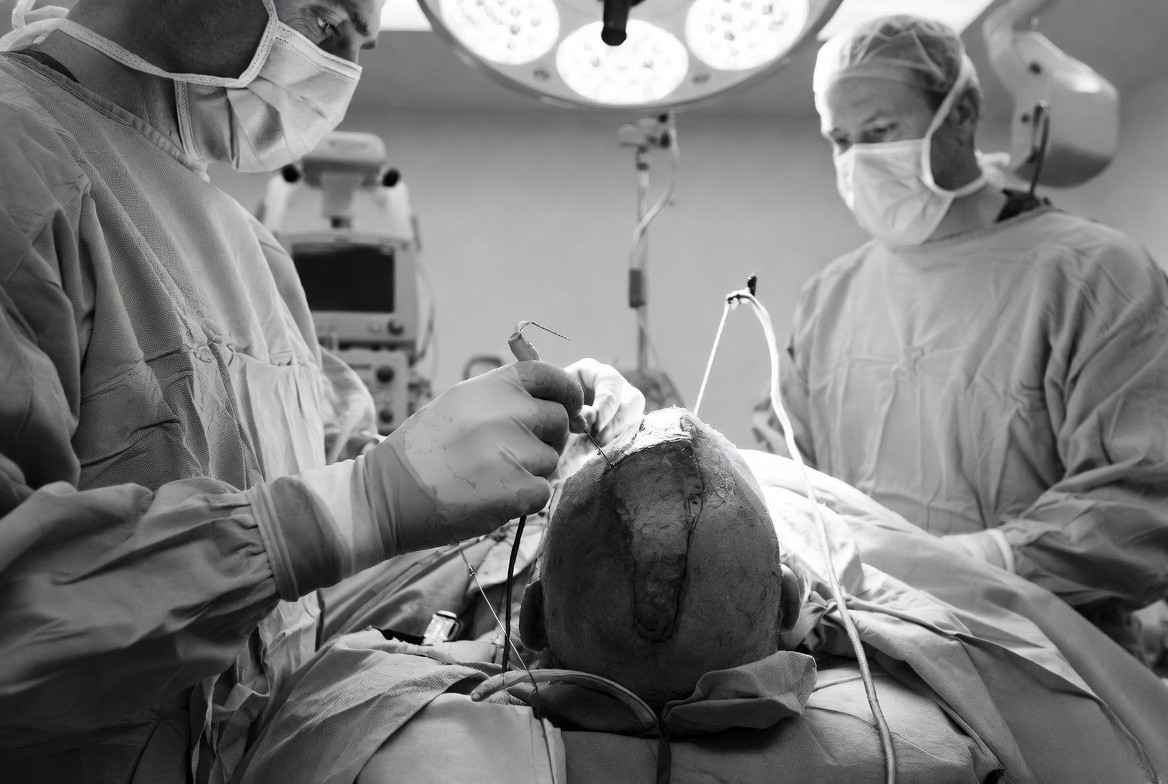
Emergency neurosurgery is the urgent surgical treatment of life-threatening conditions affecting the brain, spine, or nervous system. These are cases that cannot wait for a scheduled appointment. They need a decision and often an operation within hours.
The aim is simple. Stop the bleeding, relieve the pressure on the brain or spinal cord, and protect the functions that keep a person alive and independent. Speed and accuracy both matter here.
This branch of neurosurgery relies on rapid imaging, a ready operating theatre, and a critical care team that works around the clock. At Gleneagles Aware Hospital, LB Nagar, these systems run together so that a patient in crisis loses no time.
Conditions Treated by Dr. Sai Shiva Tadakamalla
Traumatic Brain Injury (Head Injury)
A serious blow to the head from a road accident, fall, or assault can cause bleeding and swelling inside the skull. This builds dangerous pressure on the brain. Surgery may be needed to remove a clot or relieve that pressure. Some of these cases overlap with brain surgery.

Brain Haemorrhage (Bleeding in the Brain)
When a vessel bursts inside or around the brain, blood pools and presses on healthy tissue. Depending on the size and source, surgery is performed to drain the clot, stop the bleed, or clip the damaged vessel. Many of these are linked to cerebrovascular conditions

Spinal Cord and Spine Injuries
A fracture or dislocation in the spine can press on the spinal cord and cause weakness or paralysis. Early surgery to stabilise the spine and free the cord can protect movement and sensation. This connects with spine trauma surgery
Acute Stroke
A large stroke can cause the brain to swell to a point where it threatens life. In selected cases, a decompressive surgery removes part of the skull temporarily to give the swollen brain room and reduce pressure.

Hydrocephalus and Raised Pressure
A sudden build-up of fluid inside the brain raises pressure quickly and needs urgent drainage. A shunt or an external drain is placed to release the fluid and protect brain function.
Need an urgent neuro opinion? Speak to Dr. Sai Shiva today.
Warning Signs That Need Emergency Neurosurgical Care

Some symptoms should never be ignored. If you or someone near you shows any of these after an injury or suddenly without warning, get to a hospital at once:
- A sudden, severe headache unlike any before
- Loss of consciousness, even briefly, after a head injury
- Repeated vomiting following a blow to the head
- Weakness, numbness, or paralysis in the arms or legs
- Slurred speech or trouble understanding words
- One pupil larger than the other
- Seizures with no past history
- Clear fluid or blood leaking from the nose or ears after trauma
- Sudden confusion, drowsiness, or difficulty staying awake
These signs can point to a bleed, raised pressure, or spinal injury. They need emergency evaluation without delay.
Recovery After Emergency Neurosurgery
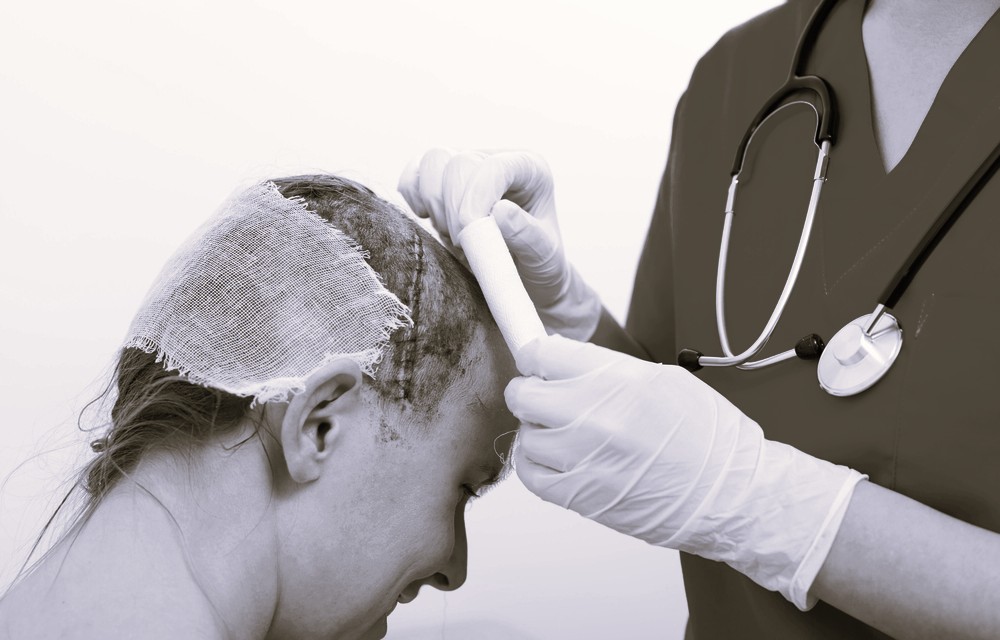
Recovery depends on the type of emergency, how quickly treatment was given, and the patient’s condition before surgery. Here is what the journey usually looks like:
In the Hospital
- Close monitoring in the Neuro-ICU for the first 24 to 72 hours
- Frequent neurological checks to track alertness, movement, and speech
- Repeat scans to confirm the brain or spine is settling
- A hospital stay that ranges from several days to a few weeks depending on severity
During Healing
- Pain and swelling are managed with medication
- Physiotherapy and rehabilitation begin early where needed
- Speech and occupational therapy help when those functions are affected
- Family members are guided on home care and warning signs to watch
Long-Term Follow-Up
- Regular reviews with imaging to confirm steady recovery
- A planned procedure to replace the skull bone if a craniectomy was done
- A gradual return to daily life, paced to each patient’s progress
“Recovery after a neuro emergency is rarely a straight line. What helps most is honest communication, a strong rehabilitation plan, and a family that knows what to expect.” – Dr. Sai Shiva Tadakamalla, Neurosurgeon, Gleneagles Aware Hospital, LB Nagar, Hyderabad
When Is Emergency Neurosurgery Recommended?
Not every head knock or backache is an emergency. But certain situations call for urgent surgical assessment. Here is a simple overview:
Condition | When Surgery Is Urgent | Procedure |
Head Injury with Clot | Expanding bleed, rising pressure, falling alertness | Craniotomy / Clot Evacuation |
Brain Haemorrhage | Large bleed, worsening symptoms, identifiable source | Surgical Evacuation / Clipping |
Massive Stroke | Severe brain swelling threatening life | Decompressive Craniectomy |
Spinal Cord Injury | Cord compression with weakness or paralysis | Spinal Decompression / Fixation |
Acute Hydrocephalus | Rapid fluid build-up, rising pressure | Shunt / External Drain |
Dr. Sai Shiva Tadakamalla reviews the scans and the patient’s neurological status before any decision. In a true emergency, that assessment happens in minutes, not days.
Surgical Approaches in Emergency Neurosurgery
The right approach depends on what is causing the crisis. Dr. Sai Shiva Tadakamalla uses several proven techniques:
- Craniotomy: A section of the skull is opened to remove a clot, stop a bleed, or relieve pressure. The bone is replaced once the brain is safe.
- Decompressive Craniectomy: Part of the skull is removed temporarily to let a swollen brain expand. This lowers pressure and protects brain tissue during recovery.
- Clot Evacuation: Pooled blood is carefully drained to ease pressure on the brain and restore normal function.
- Spinal Decompression and Fixation: Pressure on the spinal cord is relieved, and the spine is stabilised with implants to protect movement and sensation.
- Ventricular Drainage and Shunting: Excess fluid in the brain is drained through a tube to control rising pressure quickly.
Why Choose Dr. Sai Shiva Tadakamalla for Emergency Neurosurgery in Hyderabad?
Fellowship-Trained Expertise
Dr. Sai Shiva Tadakamalla completed his post-doctoral fellowship in skull base and cerebrovascular surgery at PGIMER, Chandigarh. This training covered the most complex brain and spine cases under expert supervision.
Trained for High-Pressure Decisions
Emergency neurosurgery is about reading a critical situation fast and acting with confidence. His focused training prepares him to make sound calls when time is short.
Round-the-Clock Hospital Support
Surgeries are performed at Gleneagles Aware Hospital, LB Nagar, Hyderabad, which offers a dedicated Neuro-ICU, rapid imaging, intraoperative monitoring, and 24/7 critical care.
Clear Communication With Families
In an emergency, families are anxious and need answers. Dr. Sai Shiva explains the situation in plain language and keeps the family involved in every decision.
“I want families to feel they are not alone in that waiting room. When you understand what we are doing and why, the fear becomes easier to carry.” – Dr. Sai Shiva Tadakamalla, Emergency Neurosurgeon, Gleneagles Aware Hospital, Hyderabad
In a neuro emergency? Get Dr. Sai Shiva on the case now.
FAQs
What counts as a neurosurgical emergency?
Any sudden brain or spine condition that threatens life or function counts. This includes severe head injury, brain bleed, large stroke, spinal cord injury, and acute fluid build-up in the brain. These need urgent assessment by a neurosurgeon.
How fast should surgery happen after a head injury?
It depends on the injury. An expanding clot or rising pressure may need surgery within hours. This is why reaching a hospital with a neurosurgeon and a ready operating theatre quickly is so important.
Is emergency neurosurgery available 24/7 in Hyderabad?
Yes. Dr. Sai Shiva Tadakamalla attends to emergency brain and spine cases at Gleneagles Aware Hospital, LB Nagar, Hyderabad, which is equipped with a Neuro-ICU and round-the-clock critical care.
Will the patient fully recover after emergency brain surgery?
Recovery varies with the type and severity of the emergency and how soon treatment began. Some patients recover well, while others need longer rehabilitation. Early surgery generally gives the best chance.
What should I do while taking a patient to the hospital?
Keep the patient still, do not give food or water, and note the time symptoms started. If there was an injury, avoid moving the neck or spine. Call ahead so the hospital team is ready on arrival.