
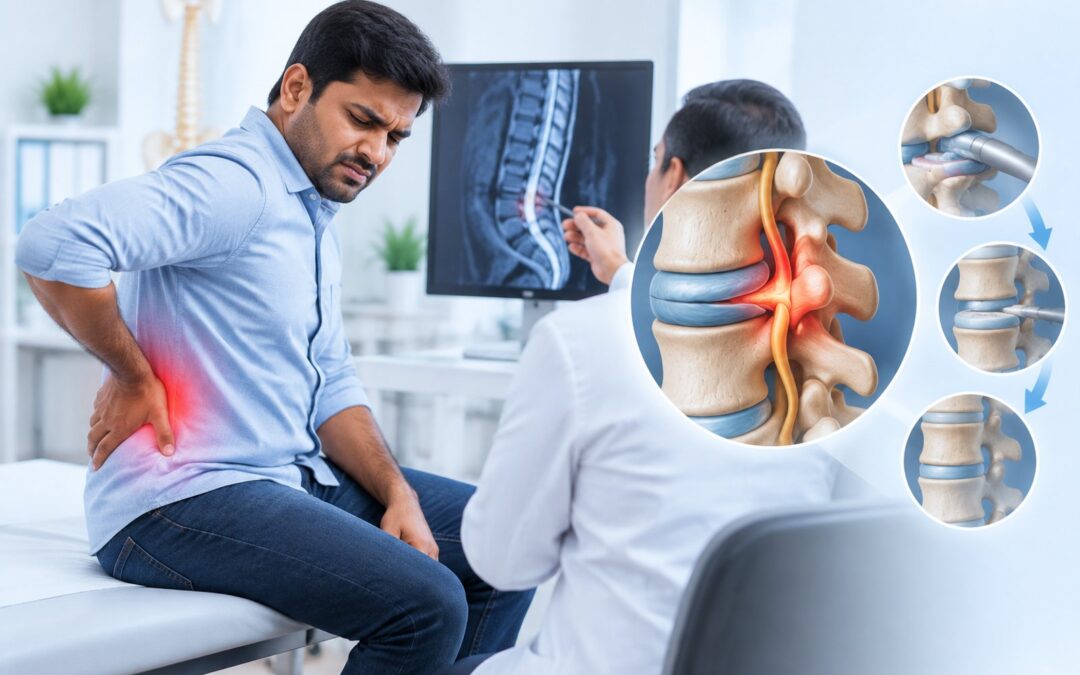
What Is a Slip Disc?
A slip disc, also called a herniated disc, happens when the soft part inside a spinal disc pushes out. This can press on nearby nerves. As a result, you may feel pain, numbness, or weakness. Usually, doctors try simple treatments first. However, sometimes slip disc surgery is needed if symptoms do not improve.
Common Symptoms of a Slip Disc
Slip disc symptoms can vary. But many people notice:Back or neck pain that may spread to arms or legsNumbness or tingling in hands, feet, or legsMuscle weakness in arms or legsPain that gets worse when moving, coughing, or sneezingDifficulty standing or walking for long periods
Sometimes, symptoms are mild. Yet, in other cases, they can be severe and affect daily life.
When Is Slip Disc Surgery Considered?
Most people get better with rest, medicine, and physical therapy. But, doctors may suggest slip disc surgery if:Pain does not improve after several weeks of treatmentThere is severe weakness or numbness in the legs or armsYou have trouble controlling your bladder or bowelsPain keeps you from doing daily activitiesOther treatments, like herniated disc treatment, have failed
Therefore, surgery is usually a last option. Doctors will explain the risks and benefits before you decide.
Types of Slip Disc Surgery
There are different types of slip disc surgery. Your doctor will choose the best one for you. Common options include:Discectomy: The surgeon removes the part of the disc pressing on the nerve.Laminectomy: The surgeon removes a small part of bone to relieve pressure.Spinal fusion: Two or more bones in the spine are joined together for stability.Minimally invasive spine surgery: Smaller cuts are made, so healing is often faster.
Each surgery has its own risks and benefits. But, many people feel better after the right procedure.
Recovery and Aftercare
After slip disc surgery, recovery time can vary. Some people go home the same day, while others stay in the hospital for a few days. During recovery, you may need:Rest and limited movement at firstPain medicine as neededPhysical therapy to regain strengthFollow-up visits with your doctor
With proper care, most people return to normal activities within weeks. However, always follow your doctor’s advice for the best results.
Prevention and Lifestyle Tips
Even after surgery, you can take steps to protect your spine. For example:Keep a healthy weight to reduce strain on your backExercise regularly to strengthen back and core musclesUse good posture when sitting or standingLift objects with your legs, not your backAvoid smoking, as it can slow healing
These habits can help prevent future problems and support your recovery.
Frequently Asked Questions
Is slip disc surgery always needed? No, most people get better with non-surgical treatments. Surgery is only for severe cases.How long does recovery take? Recovery depends on the type of surgery. Many people feel better in a few weeks.Are there risks with slip disc surgery? Like any surgery, there are risks. However, your doctor will discuss these with you before the procedure.Can a slip disc come back after surgery? Sometimes, a new disc problem can happen. But, healthy habits can lower your risk.
If you have ongoing back pain or symptoms, consult Dr. Sai Shiva to discuss your symptoms and receive personalized advice.