
Brain Surgery In Hyderabad
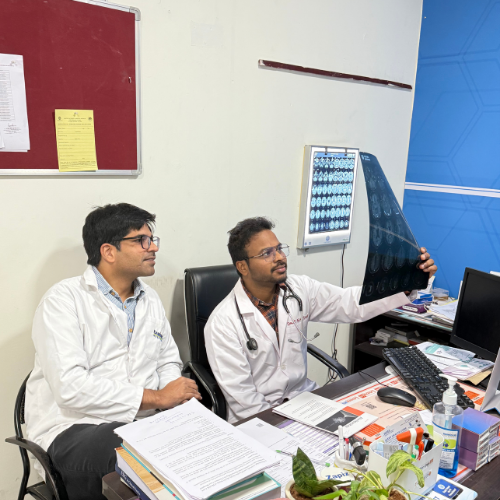
Brain surgery is a highly specialised medical procedure performed to diagnose and treat conditions affecting the brain and surrounding structures. It may be recommended for tumours, injuries, infections, congenital abnormalities, or increased pressure within the skull. With advances in neurosurgical techniques, many brain conditions can now be treated safely with improved precision and faster recovery.
“Every brain condition is unique. Careful evaluation, precise planning, and patient focused decision making are essential for the best outcomes.”
Dr. Sai Shiva Tadakamalla, Brain & Spine Surgeon
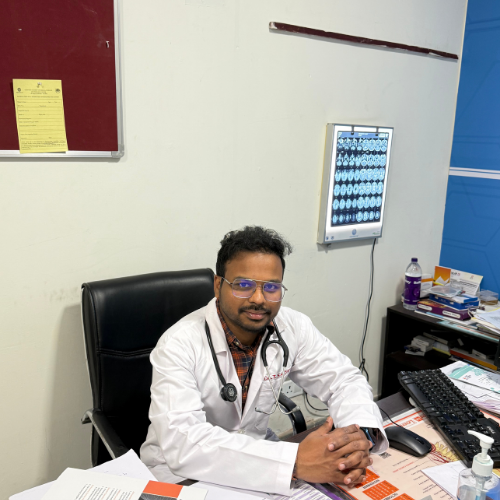
Brain surgery is performed by Dr. Sai Shiva Tadakamalla, neurosurgeon in Hyderabad, using evidence-based approaches and modern surgical techniques focused on safety, accuracy, and long term recovery.
What Is Brain Surgery?
Brain surgery, also known as neurosurgery, involves operating on the brain to remove disease, repair damage, or relieve pressure. The exact surgical approach depends on the underlying condition, its location, and the patient’s overall health.
The goal of brain surgery is not only to treat the condition but also to preserve neurological function, reduce symptoms, and improve quality of life. Each treatment plan is individualised after detailed clinical evaluation and imaging studies.
Types Of Brain Surgery Performed by Dr. Sai Shiva Tadakamalla
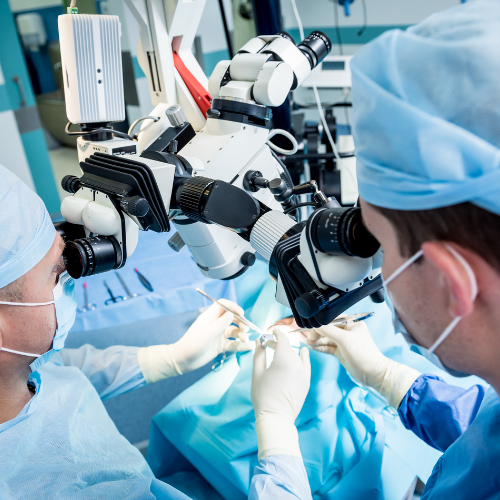
Brain Tumour Surgery
Brain tumour surgery aims to remove abnormal growths within the brain while protecting surrounding healthy tissue. The extent of surgery depends on the size, type, and location of the tumour.
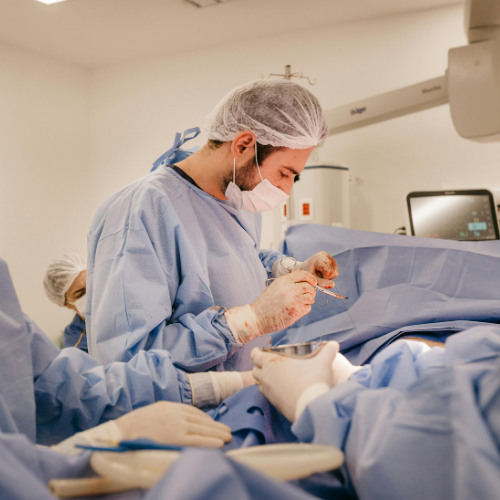
Cranial Microsurgery
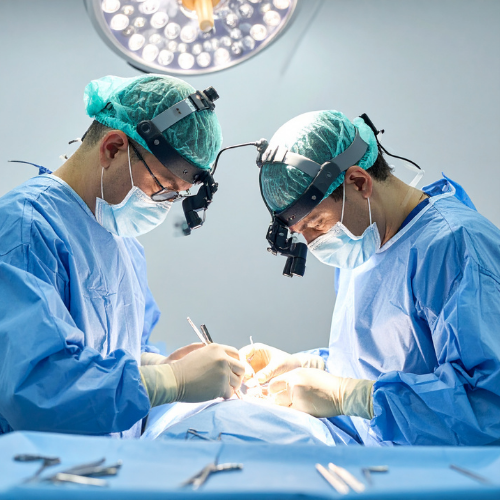
Cranial microsurgery uses high-magnification microscopes to operate on delicate brain structures with extreme precision. This technique helps minimise tissue damage and improves surgical accuracy.
Endoscopic Brain Surgery
Endoscopic brain surgery is a minimally invasive technique that uses small instruments and a camera to access certain brain areas through natural openings or small incisions.
Awake Brain Surgery
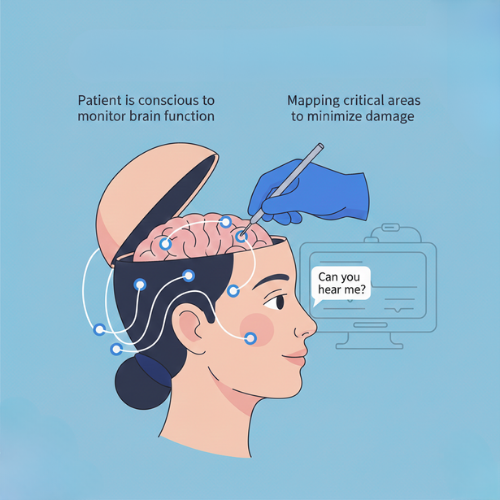
Awake brain surgery allows real-time monitoring of speech and movement during surgery, especially when operating near critical brain areas responsible for essential functions.

Head Injury Surgery
Severe head injuries may require emergency brain surgery to relieve pressure, remove blood clots, or repair skull fractures.
Decompressive Craniectomy
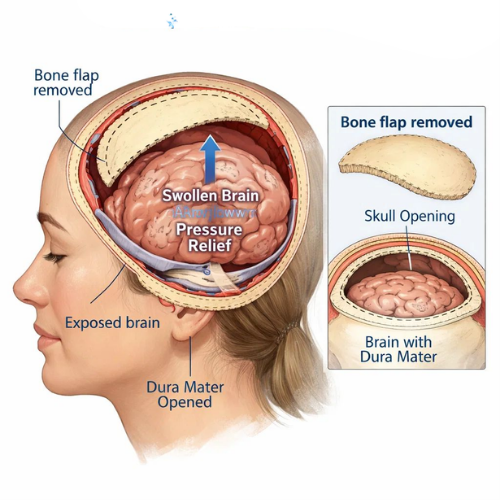
This procedure involves temporarily removing a part of the skull to reduce life-threatening brain swelling following trauma or stroke.
Brain Abscess Surgery
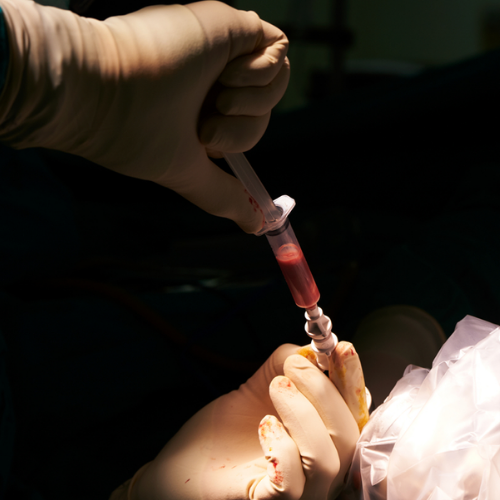
Brain abscess surgery is performed to drain infected material and reduce pressure within the brain, often in combination with targeted antibiotic therapy.
Congenital Brain Abnormalities
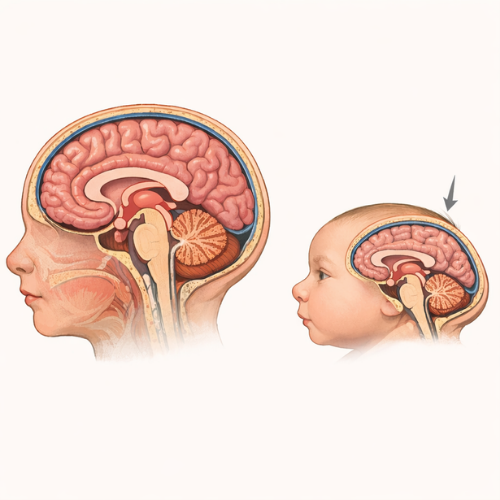
Surgical treatment may be required for congenital brain conditions present from birth, depending on symptoms and neurological impact.
When Is Brain Surgery Recommended?
Brain surgery may be advised when medical treatment alone is not sufficient. Common indications include persistent headaches, seizures, weakness, speech difficulties, vision problems, or sudden neurological deterioration.
A thorough evaluation by a qualified neurosurgeon in Hyderabad helps determine whether surgery is the safest and most effective treatment option.
Recovery After Brain Surgery
Recovery after brain surgery varies depending on the type of procedure and the patient’s overall health. Some patients may recover within weeks, while others may require longer rehabilitation and follow-up care.
Post-operative care focuses on pain management, infection prevention, neurological monitoring, and gradual return to daily activities under medical guidance.
Why Choose Dr. Sai Shiva Tadakamalla For Brain Surgery?
Advanced Neurosurgical Training
Expertise in Complex Brain Procedures
Specialises in cranial, skull base, and cerebrovascular surgeries including aneurysm clipping, AVM surgery, and cerebral bypass procedures.
Strong Academic and Clinical Foundation
Experience in High-Risk and Emergency Neurosurgery
Commitment to Evidence-Based Care
Patient Centric and Ethical Practice
Precision Driven Surgical Approach
“Successful brain surgery requires not just technical skill, but careful planning and constant focus on preserving the patient’s neurological function and quality of life,” says Dr. Sai Shiva Tadakamalla.
FAQs
Is brain surgery always risky?
All surgeries carry some risk, but modern techniques have made brain surgery much safer. The risk varies based on the condition and the patient’s health and is best discussed during consultation with Dr. Sai Shiva Tadakamalla.