Paediatric Neurosurgery In Hyderabad
When a child is diagnosed with a brain or spine condition, it is one of the most frightening moments a parent can face. Paediatric neurosurgery deals with surgical conditions of the brain, spine, and nervous system in infants, children, and adolescents. These conditions need careful, specialised attention because a child’s nervous system is still growing and responds very differently from an adult’s.
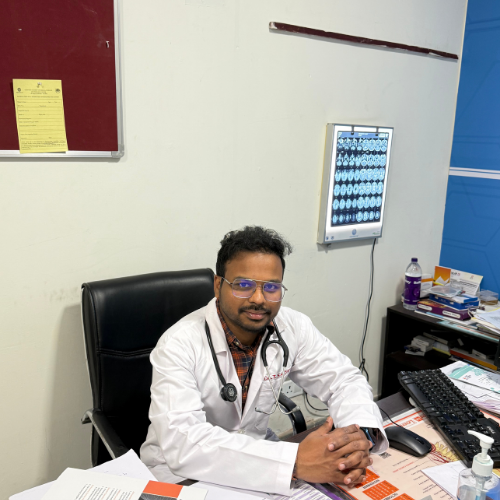
Dr. Sai Shiva Tadakamalla, a consultant neurosurgeon in Hyderabad, evaluates and treats complex neurological conditions in children using evidence-based surgical approaches. His practice at Gleneagles Aware Hospital, LB Nagar, is focused on accurate diagnosis, safe surgery, and long-term neurological well-being for every child.
“Children are not small adults. Their nervous systems are still developing, which means every surgical decision must be made with extra precision and care. My goal is always to give each child the best chance at a healthy, functional life.”
– Dr. Sai Shiva Tadakamalla, Neurosurgeon in Hyderabad
What Is Paediatric Neurosurgery?
Paediatric neurosurgery is a specialised branch of surgery that focuses on conditions affecting the brain, spinal cord, and nervous system in children. It covers a wide range of problems, from brain tumours and hydrocephalus to spinal deformities and birth-related neurological abnormalities.
Children’s brains are structurally and functionally different from adult brains. Because of this, the surgical techniques, anaesthesia, and post-operative care required for children must be tailored carefully to their age, size, and stage of development.
Dr. Sai Shiva Tadakamalla assesses each child thoroughly before recommending surgery. Not every neurological condition in children requires an operation. Where surgery is needed, the approach is planned using advanced imaging and microsurgical techniques to minimise risk and protect the child’s developing nervous system.
Worried about your child’s symptoms? Book a consultation today.
Conditions Treated With Paediatric Neurosurgery By Dr. Sai Shiva Tadakamalla
Hydrocephalus
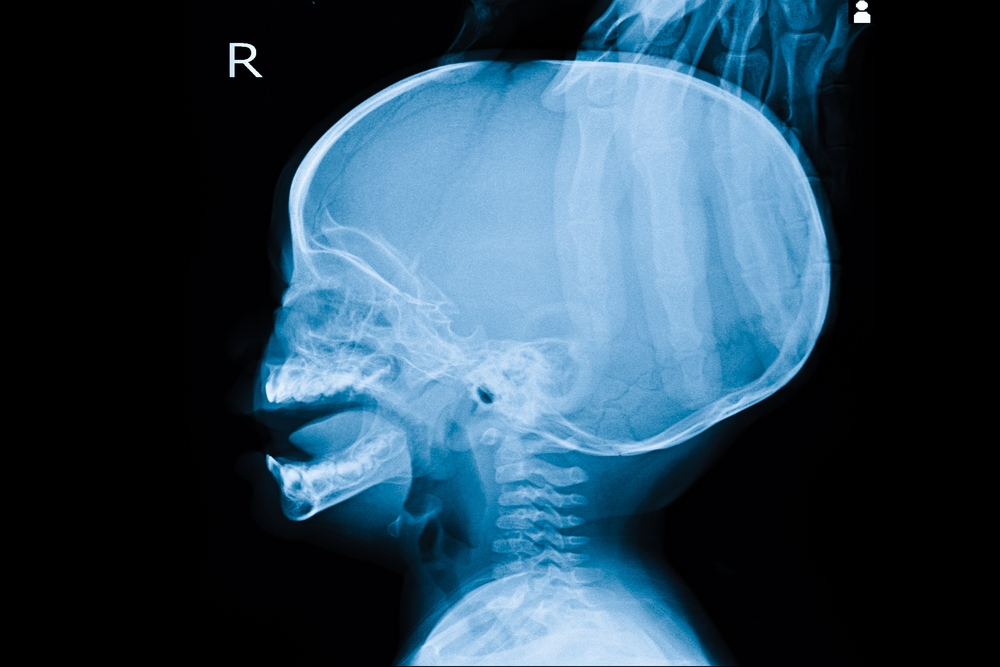
Hydrocephalus is one of the most common conditions treated in paediatric neurosurgery. It occurs when excess cerebrospinal fluid (CSF) builds up inside the brain, increasing pressure. Treatment involves placing a shunt to drain the fluid or performing an endoscopic procedure to create a new drainage pathway.
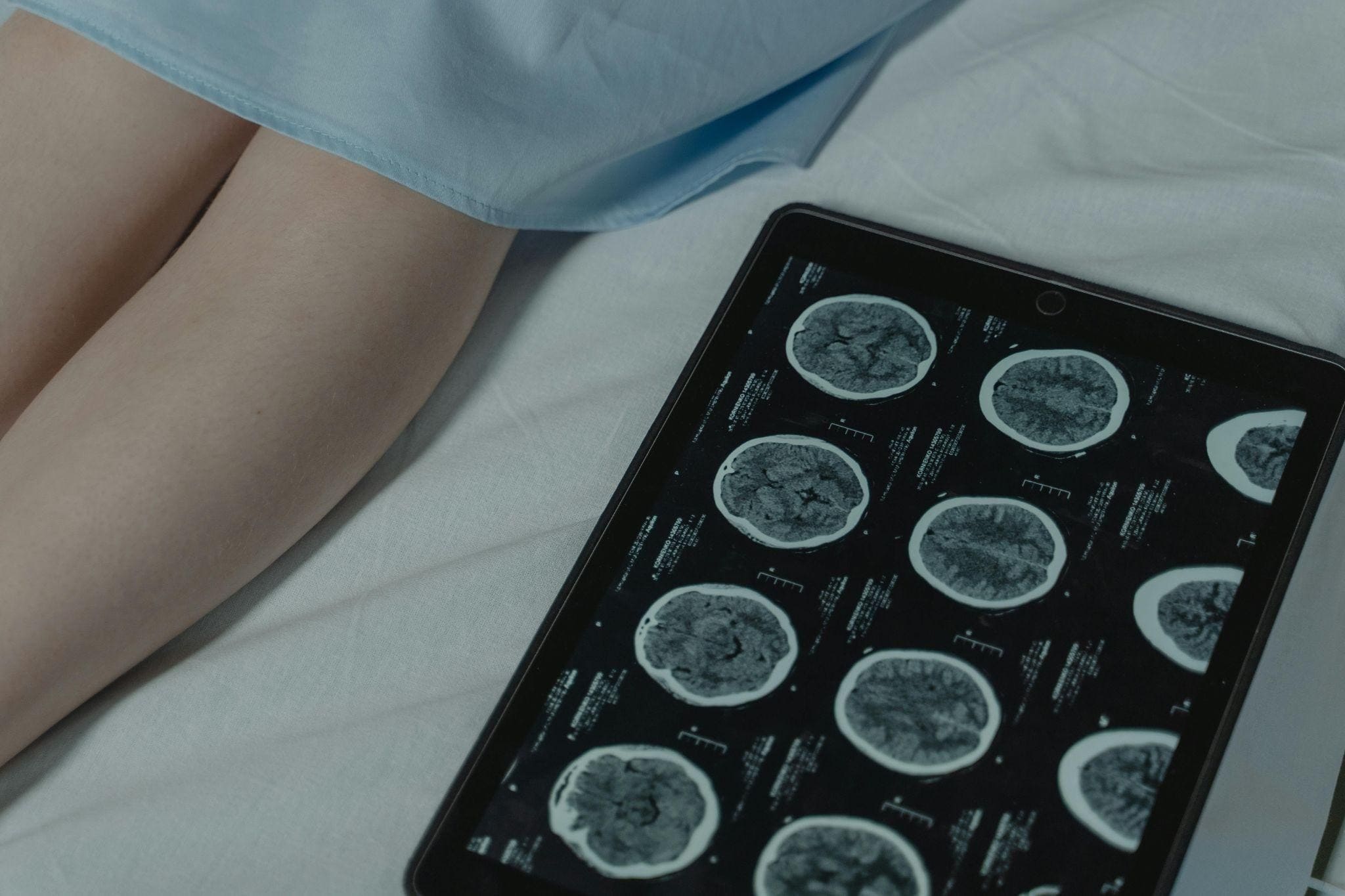
Brain Tumours in Children
Brain tumours in children are different from those in adults, both in type and location. Common types include medulloblastoma, ependymoma, and low-grade gliomas. Surgery aims to safely remove as much of the tumour as possible while protecting critical brain functions like movement, vision, and speech.
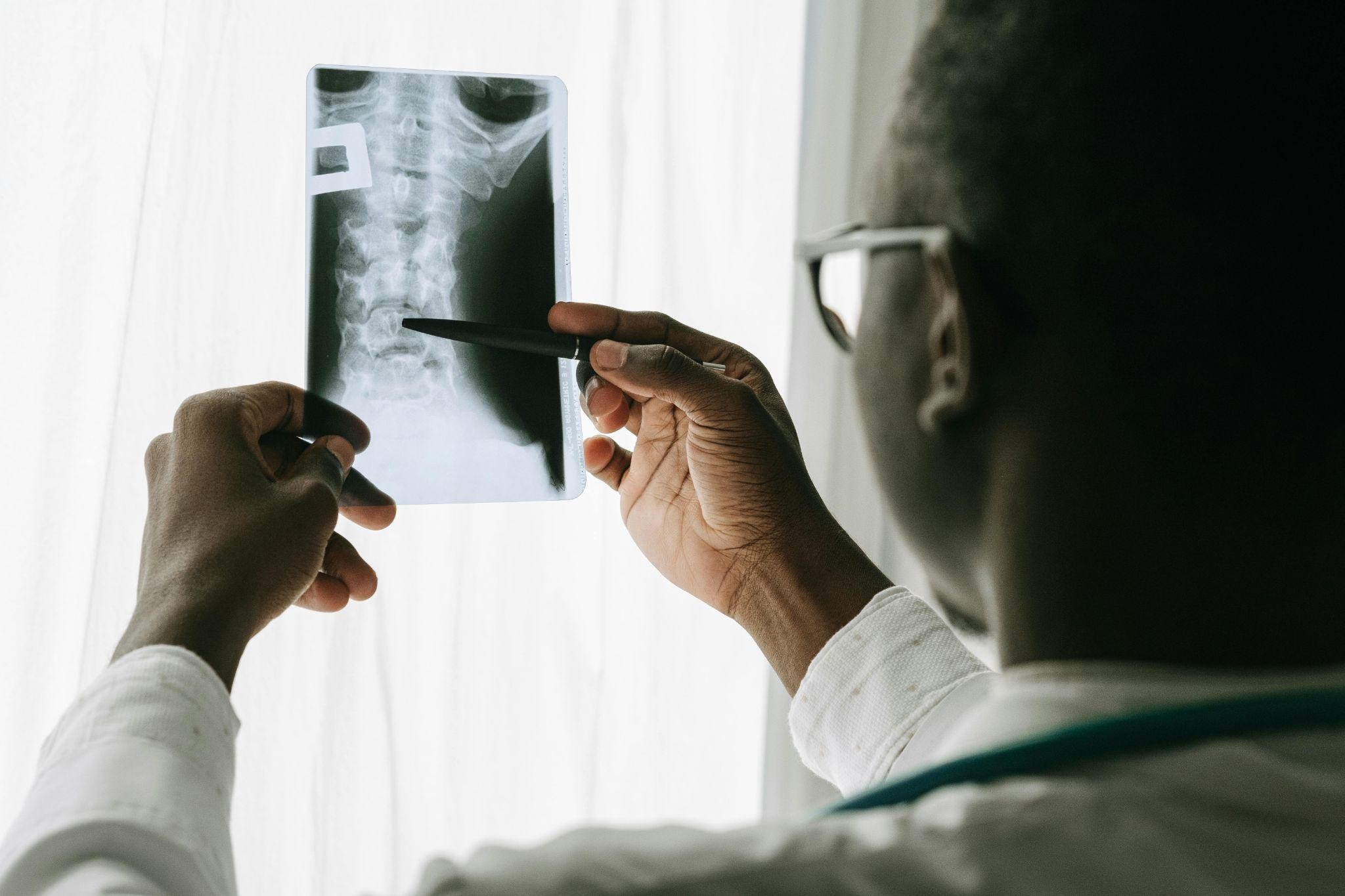
Spina Bifida and Spinal Cord Defects
Spina bifida is a birth defect where the spinal cord does not form properly. Depending on the severity, surgical repair may be needed shortly after birth or later in childhood. Early intervention can help prevent worsening of neurological function.
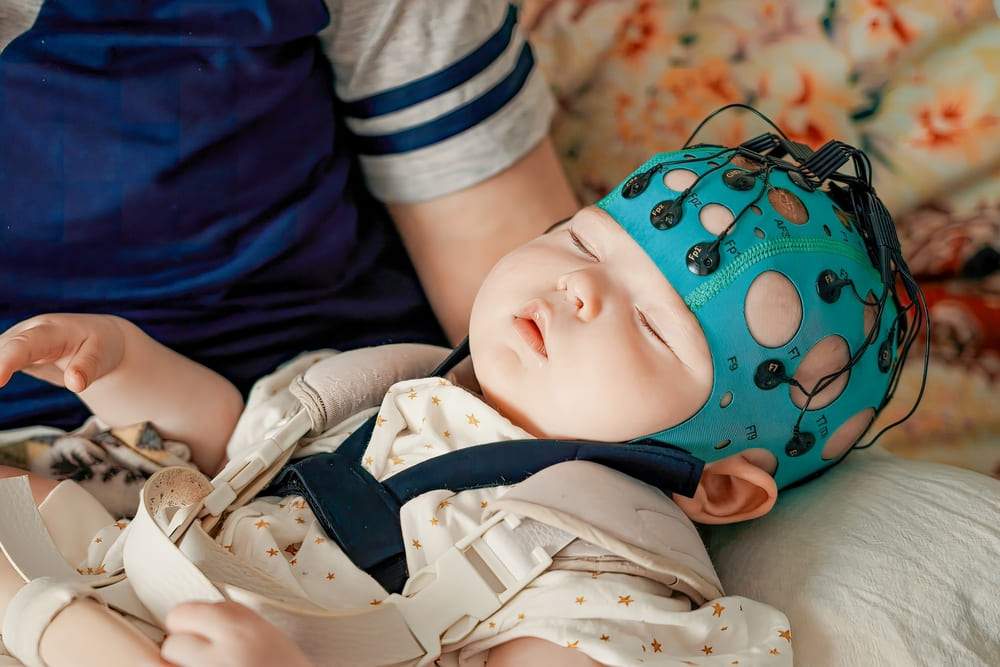
Epilepsy Surgery
When a child’s seizures do not respond to medications, surgical evaluation may be recommended. Epilepsy surgery in children involves identifying the part of the brain causing seizures and, where safe, removing or disconnecting it to reduce or stop seizure activity.
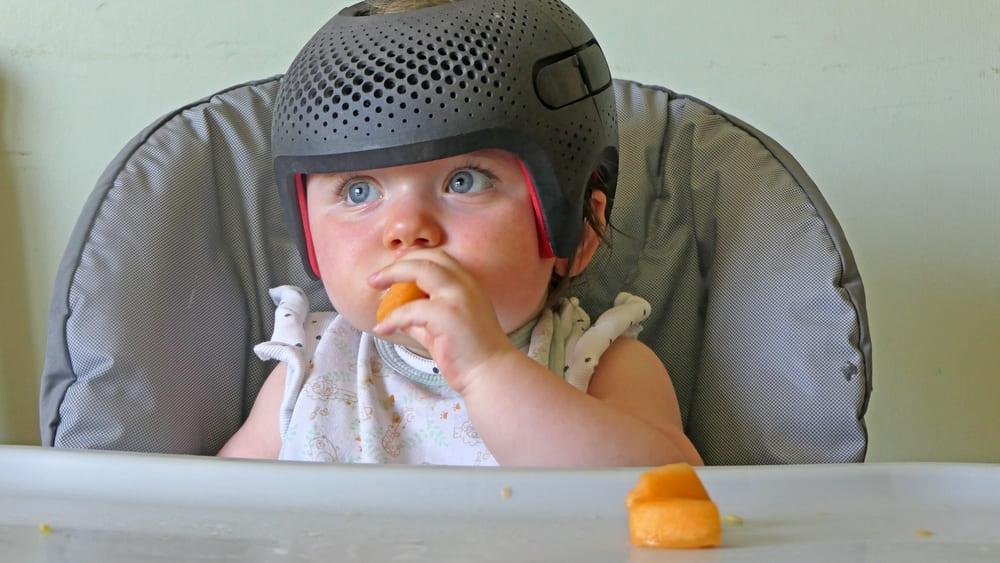
Craniosynostosis
Craniosynostosis is a condition where the bones of a baby’s skull fuse too early, restricting brain growth and affecting the shape of the head. Surgical correction helps release the fused bones, allowing the brain to grow normally and improving the child’s appearance.
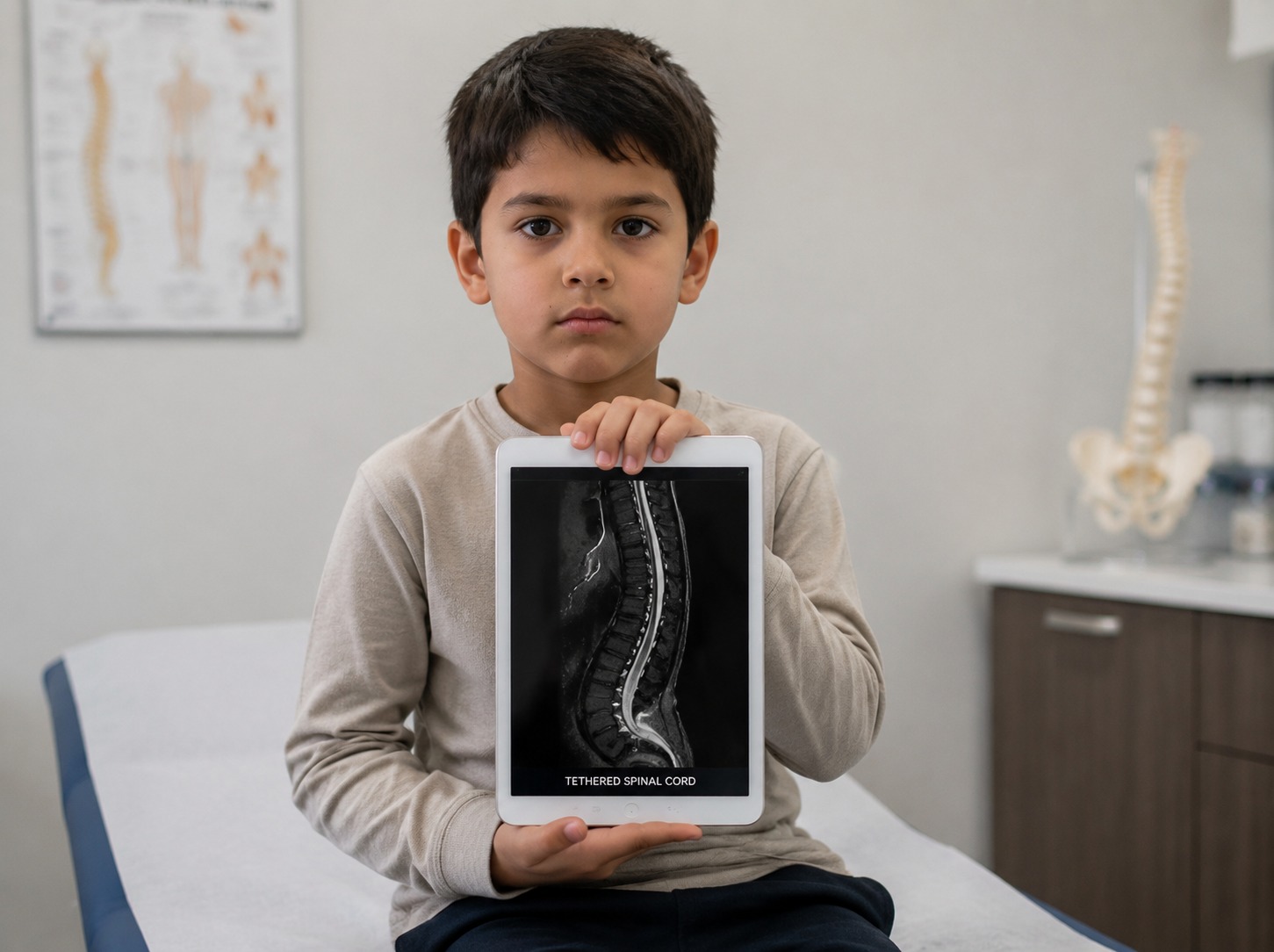
Tethered Spinal Cord
A tethered spinal cord occurs when the spinal cord is abnormally attached to surrounding tissue, restricting its movement as the child grows. This can cause pain, weakness, and bladder problems. Surgical release of the cord prevents further neurological damage.
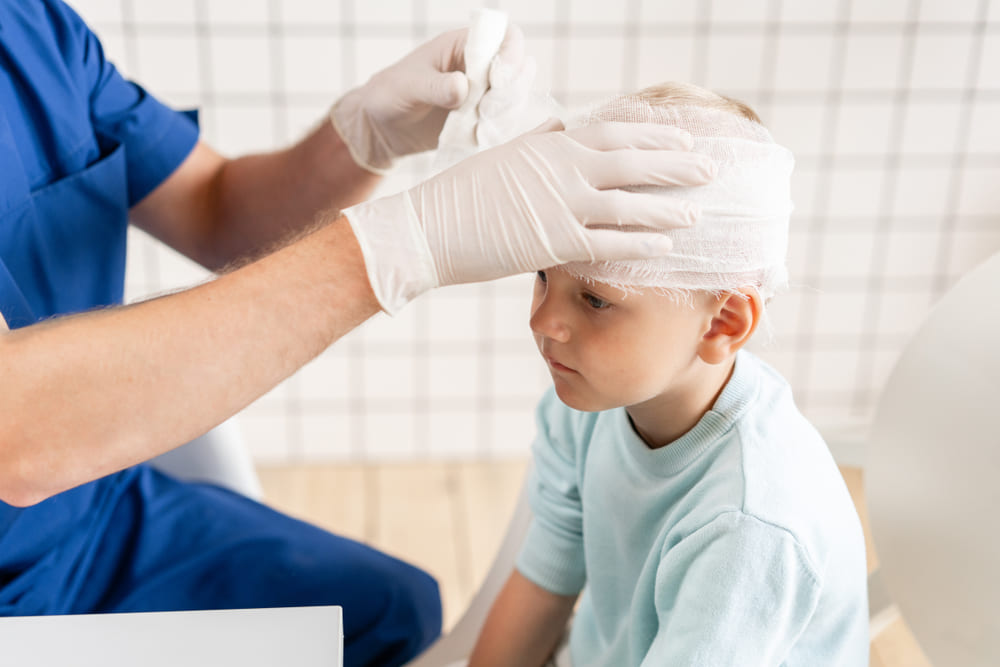
Head Injuries in Children
Severe head injuries in children from falls, accidents, or trauma may require emergency neurosurgery to relieve pressure, drain blood clots, or repair skull fractures. Prompt surgical management is critical to preventing permanent neurological damage.
Has your child been diagnosed with a neurological condition? Speak to Dr. Sai Shiva today.
Signs Your Child May Need A Neurosurgical Evaluation
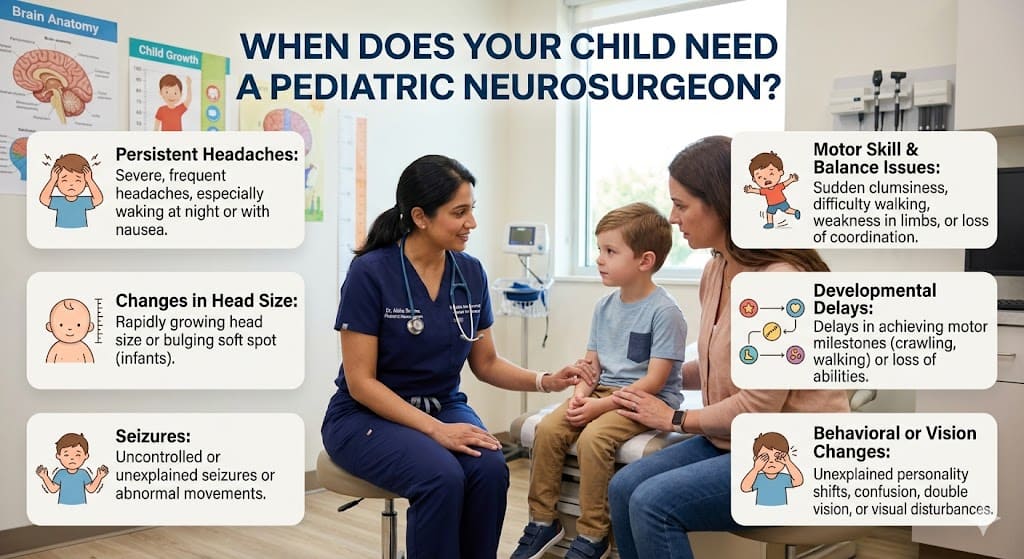
As a parent, it can be hard to know when a symptom is serious. Some signs are obvious, while others may be subtle and easy to miss.
Watch out for these warning signs in your child:
- Persistent or worsening headaches, especially in the morning
- Unusually large or rapidly growing head size in infants
- Vomiting without a clear cause, particularly in the morning
- Seizures or convulsions, whether with or without fever
- Sudden changes in behaviour, mood, or learning ability
- Weakness or numbness in the arms or legs
- Difficulty walking, maintaining balance, or frequent falls
- Vision problems or abnormal eye movements
- Delayed milestones or regression in previously achieved milestones
- Bladder or bowel problems in older children
- A noticeable lump or defect along the back or skull
These symptoms do not always mean surgery is needed. However, they do mean your child needs to be seen by a specialist without delay.
Do not ignore the signs. Get your child evaluated by a specialist today.
When Is Paediatric Neurosurgery Recommended?
Surgery is not the first answer for every neurological condition in children. Dr. Sai Shiva Tadakamalla carefully evaluates each case before making a recommendation. Here are the situations where surgical intervention is typically considered:
When There Is Increased Pressure on the Brain
Conditions like hydrocephalus or large brain tumours can raise pressure inside the skull. If left untreated, this can cause permanent neurological damage. Surgery helps relieve this pressure promptly.
When Seizures Cannot Be Controlled With Medication
A small number of children with epilepsy do not respond to anti-seizure medications. In these cases, a thorough evaluation is done to determine whether surgery can help reduce or stop the seizures.
When a Condition Is Present From Birth
Some conditions like spina bifida, craniosynostosis, or a tethered cord are identified at birth or in early childhood. Surgical repair at the right time can prevent the condition from getting worse as the child grows.
When a Tumour Is Growing or Causing Symptoms
Brain or spinal tumours in children are monitored closely. Surgery is recommended when the tumour is causing symptoms, shows signs of growth on imaging, or when a tissue diagnosis is needed to guide further treatment.
When There Is Trauma or Emergency
Severe head or spine injuries following accidents may require emergency surgery to relieve pressure, stop bleeding, or stabilise the spine. These decisions are made urgently based on the child’s clinical condition.
Treatment decisions are always individualised. Dr. Sai Shiva Tadakamalla takes time to explain the diagnosis, the available options, and the realistic outcomes clearly to both the parents and the child before any procedure is recommended.
| Condition | Who It Affects | Common Symptoms | Typical Treatment |
|---|---|---|---|
| Hydrocephalus | Newborns, infants, older children | Large head, vomiting, irritability | Shunt surgery or endoscopic procedure |
| Brain Tumour | Any age | Headaches, vomiting, vision changes | Surgery, sometimes with radiation/chemo |
| Spina Bifida | Newborns | Visible spinal defect, leg weakness | Surgical repair at or after birth |
| Craniosynostosis | Infants | Abnormal head shape, raised pressure | Skull reshaping surgery |
| Epilepsy (drug-resistant) | Children | Frequent seizures uncontrolled by medicine | Epilepsy surgery evaluation |
| Tethered Cord | Children/teens | Back pain, leg weakness, bladder issues | Spinal cord release surgery |
Recovery After Paediatric Neurosurgery
Recovery in children can be faster than in adults, thanks to the brain’s remarkable ability to adapt at a young age. However, the pace of recovery still depends on the type of surgery, the child’s age, and the underlying condition.
Here is what parents can generally expect:
Hospital Stay:
Most children remain in hospital for 3 to 7 days after surgery. Complex procedures may require a longer stay in the paediatric neurosurgical or intensive care unit.
Neurological Monitoring:
The medical team will closely monitor your child’s neurological function, including movement, speech, vision, and behaviour, in the days following surgery.
Pain Management:
Children are given appropriate pain relief after surgery. Most discomfort is well managed and improves significantly within the first few days.
Activity Restrictions:
Depending on the procedure, some children may need to avoid strenuous activity, sports, or school for several weeks. The surgeon will provide clear instructions based on the specific surgery.
Rehabilitation:
Some children benefit from physiotherapy, occupational therapy, or speech therapy after surgery, especially following tumour removal or spinal procedures. Rehabilitation helps the child regain function and continue their development.
Follow-Up Imaging:
Regular MRI or CT scans will be scheduled to monitor recovery and check for any signs of recurrence or complications. The frequency depends on the condition treated.
Parents are encouraged to communicate openly with the care team throughout recovery. Even small changes in the child’s behaviour or function should be reported promptly.
Why Choose Dr. Sai Shiva Tadakamalla For Your Child's Neurosurgery?
Choosing the right surgeon for your child is one of the most important decisions you will make. Here is what sets Dr. Sai Shiva Tadakamalla apart:
Advanced Neurosurgical Training
Dr. Sai Shiva completed his MCh in Neurosurgery at PGIMER, Chandigarh, one of India’s top neurosurgical training institutes, followed by a post-doctoral fellowship in Skull Base and Cerebrovascular Surgery.
Experience With Complex and Rare Cases
He has managed a wide range of paediatric neurological conditions, including complex brain tumours, hydrocephalus, epilepsy, and spinal cord abnormalities in children across all age groups.
Minimally Invasive Techniques
Where possible, Dr. Sai Shiva uses minimally invasive and endoscopic approaches for paediatric cases. These techniques mean smaller incisions, less pain, faster healing, and better cosmetic outcomes for children.

Clear Communication With Parents
He understands that parents need honest, clear information to make the right decisions for their child. He takes time to explain the diagnosis, the surgical plan, possible risks, and what to expect at every step.

Evidence-Based and Ethical Practice
Every treatment decision is guided by clinical evidence and the best interests of the child. Dr. Sai Shiva does not recommend surgery unless it is genuinely needed and likely to benefit the child’s neurological outcomes.
Multidisciplinary Support
Complex paediatric cases are managed with the support of paediatric physicians, anaesthetists, radiologists, and rehabilitation specialists to ensure the best possible outcome for every child.
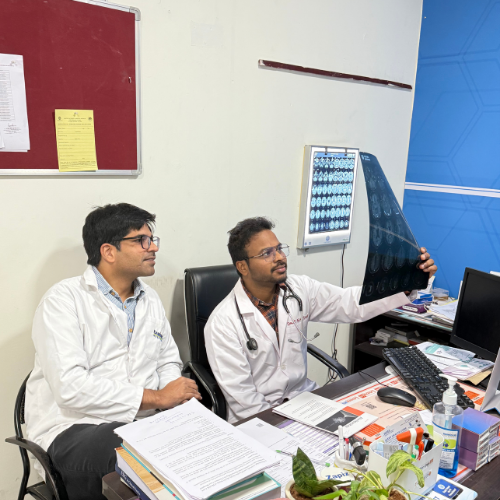
Dr. Sai Shiva Tadakamalla, Brain & Spine Surgeon in Hyderabad
“When parents bring their child to me, they are placing their trust completely in my hands. I take that responsibility seriously. Every child deserves to be treated with the same care and precision I would want for my own family.”
– Dr. Sai Shiva Tadakamalla, Neurosurgeon in Hyderabad
Your child’s health cannot wait. Speak to a specialist now.
Frequently Asked Questions
At what age can a child undergo neurosurgery?
Neurosurgery can be performed at any age, including in newborns. Some conditions like spina bifida or hydrocephalus require surgery within the first days or weeks of life. The surgical approach and anaesthesia are carefully adapted to the child’s age, weight, and medical condition.
Is paediatric brain surgery safe?
All surgery carries some risk, but modern paediatric neurosurgical techniques have made these procedures significantly safer. Risks vary depending on the type of surgery, the child’s overall health, and the location of the problem. Dr. Sai Shiva Tadakamalla will discuss all potential risks openly before any procedure is performed.
Will the surgery affect my child's learning or development?
The impact on development depends on the condition being treated and the area of the brain involved. In many cases, treating the underlying problem early actually protects development. Advanced imaging and intraoperative monitoring are used to minimise any disruption to important brain areas.
How long is the recovery after paediatric neurosurgery?
Recovery varies by procedure. Some children return to school within a few weeks, while others need longer rehabilitation. Children generally recover faster than adults because of the brain’s greater ability to adapt at younger ages. Dr. Sai Shiva Tadakamalla will give you a clear timeline based on your child’s specific surgery.
When should I take my child to a neurosurgeon?
You should consult a paediatric neurosurgeon if your child has persistent or worsening headaches, seizures, an unusually large head, weakness in the limbs, balance problems, or any visible abnormality of the skull or spine. A referral from your paediatrician is helpful but not always required for an initial consultation.