

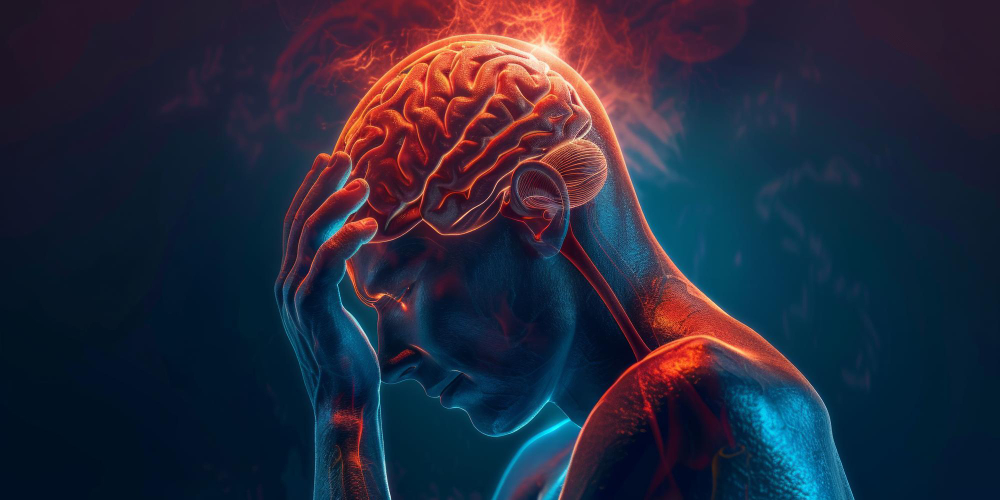
What Is Brain Trauma?
Brain trauma is a sudden injury to the brain. It can happen from a blow, jolt, or bump to the head. Sometimes, it is called a traumatic brain injury (TBI). Even a mild injury can have serious effects. According to the Centers for Disease Control and Prevention (CDC), brain trauma is a leading cause of disability and death worldwide. Because the brain controls everything we do, any damage can change how we think, feel, or move.
Why Every Second Matters in Brain Trauma
When brain trauma happens, every second counts. Quick action can save brain cells from dying. For example, fast treatment may lower the risk of lasting damage. If help is delayed, the injury can get worse. Therefore, emergency brain injury care should begin as soon as possible. Early care improves the chance of recovery. In many cases, waiting even a few minutes can make a big difference.
Common Causes of Brain Trauma
Brain trauma can happen to anyone, at any age. However, some causes are more common than others. Here are some of the main reasons people get brain trauma:
In addition, some people may get brain trauma from blast injuries, which can happen in military settings.
Recognizing Symptoms of Brain Trauma
It is important to know the signs of brain trauma. Early symptoms can be mild or severe. Sometimes, they show up right away. Other times, they appear hours later. Watch for these symptoms:
For children, look for changes in eating, crying, or sleeping. If you notice any of these signs, seek emergency brain injury care right away.
How Brain Trauma Is Diagnosed
Doctors use several steps to diagnose brain trauma. First, they ask about how the injury happened. Next, they check the person’s alertness, memory, and movement. Often, doctors use tests like CT scans or MRIs. These scans show if there is bleeding, swelling, or bruising in the brain. Sometimes, doctors may also check for changes in pupils or reflexes. Quick diagnosis helps guide the right treatment.
Emergency Response and Immediate Actions
When brain trauma is suspected, immediate action is key. Here are steps to take while waiting for help:
Above all, never delay seeking emergency brain injury care. Fast help can prevent further harm.
Treatment Options for Brain Trauma
Treatment for brain trauma depends on how serious the injury is. For mild cases, rest and close watching may be enough. However, moderate or severe injuries need hospital care. Doctors may give oxygen, fluids, or medicines to reduce swelling. Sometimes, surgery is needed to remove blood clots or relieve pressure. After the first treatment, many people need therapy to help with thinking, movement, or speech. Early treatment gives the best chance for recovery.
Preventing Brain Trauma
While not all brain trauma can be avoided, many cases are preventable. Consider these tips to lower your risk:
By taking these steps, you can help protect yourself and others from brain trauma.
For trusted guidance and comprehensive care, Consult Dr. Sai Shiva
