What is Spinal Stenosis?
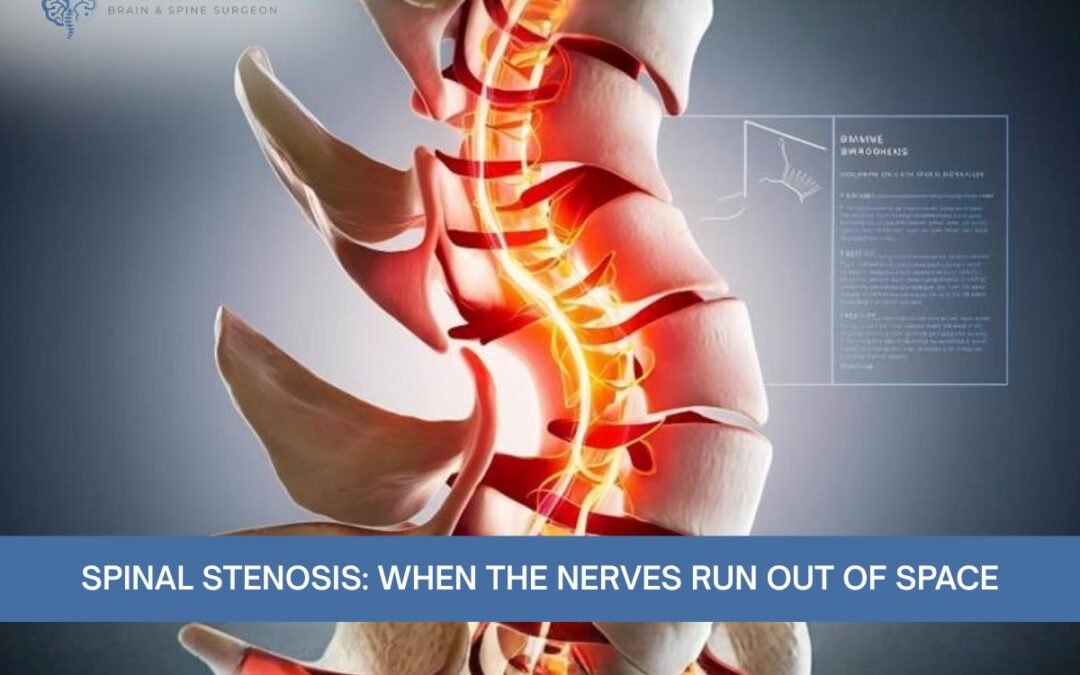
Spinal stenosis happens when the spaces in your spine become too narrow. Because of this, the nerves in your back can get squeezed. This condition is called spinal nerve compression. Often, spinal stenosis affects the lower back or neck. As a result, you may feel pain, numbness, or weakness. Many people develop spinal stenosis as they age. However, it can also happen after an injury or due to other health problems.
Common Symptoms
Spinal stenosis symptoms can vary from person to person. Some people may not notice any signs at first. But as the space narrows more, symptoms often appear. For example, you might feel:Pain in your back or neckNumbness or tingling in your arms, legs, or feetWeakness in your hands or legsTrouble walking or balancingCramping in your legs, especially when standing or walking
Sometimes, symptoms get worse when you stand or walk for a long time. On the other hand, sitting or leaning forward may help you feel better.
Causes and Risk Factors
There are several reasons why spinal stenosis can develop. Most often, it is due to wear and tear on the spine. However, other causes include:Arthritis, which can thicken ligaments or cause bone spursHerniated discs, which press on the nervesInjuries to the spineSpinal tumors, though these are rareSome people are born with a narrow spinal canal
Age is a big risk factor. In fact, people over 50 are more likely to get spinal stenosis. Also, having a family history of spine problems can increase your risk.
How Spinal Stenosis is Diagnosed
Doctors use several steps to make a spinal stenosis diagnosis. First, they will ask about your symptoms and medical history. Next, they will do a physical exam. During this exam, your doctor may check your strength, reflexes, and balance. To see the spine more clearly, doctors often order imaging tests such as:X-rays to look for bone changesMRI scans to see nerves and soft tissuesCT scans for a detailed view of the spine
These tests help find out where the spinal nerve compression is happening. They also help rule out other causes of your symptoms.
Treatment Options
Treatment for spinal stenosis depends on how severe your symptoms are. In many cases, doctors start with simple steps. For example, they may suggest:Physical therapy to strengthen your musclesPain relievers or anti-inflammatory medicinesHot or cold packs to ease painActivity changes to avoid things that make symptoms worse
If these steps do not help, your doctor may recommend other treatments. Sometimes, steroid injections can reduce swelling around the nerves. In rare cases, surgery may be needed. Surgery can make more space in the spine and relieve pressure on the nerves. If you are looking for spinal stenosis treatment in your area, talk to a local neurologist or spine specialist.
Lifestyle Tips and Prevention
While you cannot always prevent spinal stenosis, some habits may help. For instance, you can:Stay active with regular exerciseKeep a healthy weight to reduce stress on your spineUse good posture when sitting or standingLift objects safely, using your legs instead of your backAvoid smoking, as it can harm your spine
Additionally, seeing your doctor for regular check-ups can catch problems early. Early care may help slow the progress of spinal stenosis.
When to See a Doctor
It is important to seek help if you notice signs of spinal stenosis. For example, see a doctor if you have:Severe or lasting back or neck painNumbness, tingling, or weakness in your arms or legsTrouble walking, balancing, or controlling your bladder or bowels
Early treatment can prevent symptoms from getting worse. Therefore, do not wait to get checked if you are worried.
In summary, spinal stenosis can cause pain and other problems, but many people find relief with the right care. Consult Dr. Sai Shiva for personalized advice about spinal stenosis.